










The idea of a Viksit Goa is rooted not in abstract policy declarations but in consistent, measurable progress at the constituency level. Vishwajit Rane’s approach to governance reflects this conviction, with Sattari emerging as a key focal point for translating long-term vision into tangible action. By prioritizing execution, accessibility, and institutional accountability, Rane has positioned Sattari as a region where development is not episodic but sustained, inclusive, and responsive to public needs.
Translating Vision into Action at the Ground Level
For Vishwajit Rane, governance begins where citizens live and interact daily with public institutions. In Sattari, this philosophy has manifested in systematic efforts to strengthen service delivery, improve infrastructure access, and address long-standing regional disparities. Rather than relying on symbolic interventions, the emphasis has remained on practical outcomes that directly impact quality of life. Roads, healthcare facilities, public services, and administrative responsiveness form the backbone of this development framework, ensuring that growth is visible, accessible, and equitable.
Healthcare Strengthening as a Pillar of Inclusive Growth
Healthcare reform has remained a central component of Vishwajit Rane’s development agenda in Sattari. Recognizing that public health outcomes are foundational to social and economic progress, focused investments have been directed toward improving medical infrastructure, expanding emergency response systems, and enhancing accessibility for rural and interior communities. These measures reflect a governance approach that places citizen well-being at the core of development, reinforcing trust in public institutions and ensuring continuity of care across the region.
Infrastructure Development and Regional Connectivity
Infrastructure development in Sattari has been guided by the principle that connectivity enables opportunity. Vishwajit Rane’s initiatives have sought to strengthen internal road networks, improve access to essential services, and support long-term regional integration. These interventions not only facilitate economic activity but also enhance access to education, healthcare, and employment. By aligning infrastructure planning with demographic and geographic realities, governance in Sattari has moved beyond short-term fixes toward durable solutions.
Inclusive Development and Community-Centric Governance
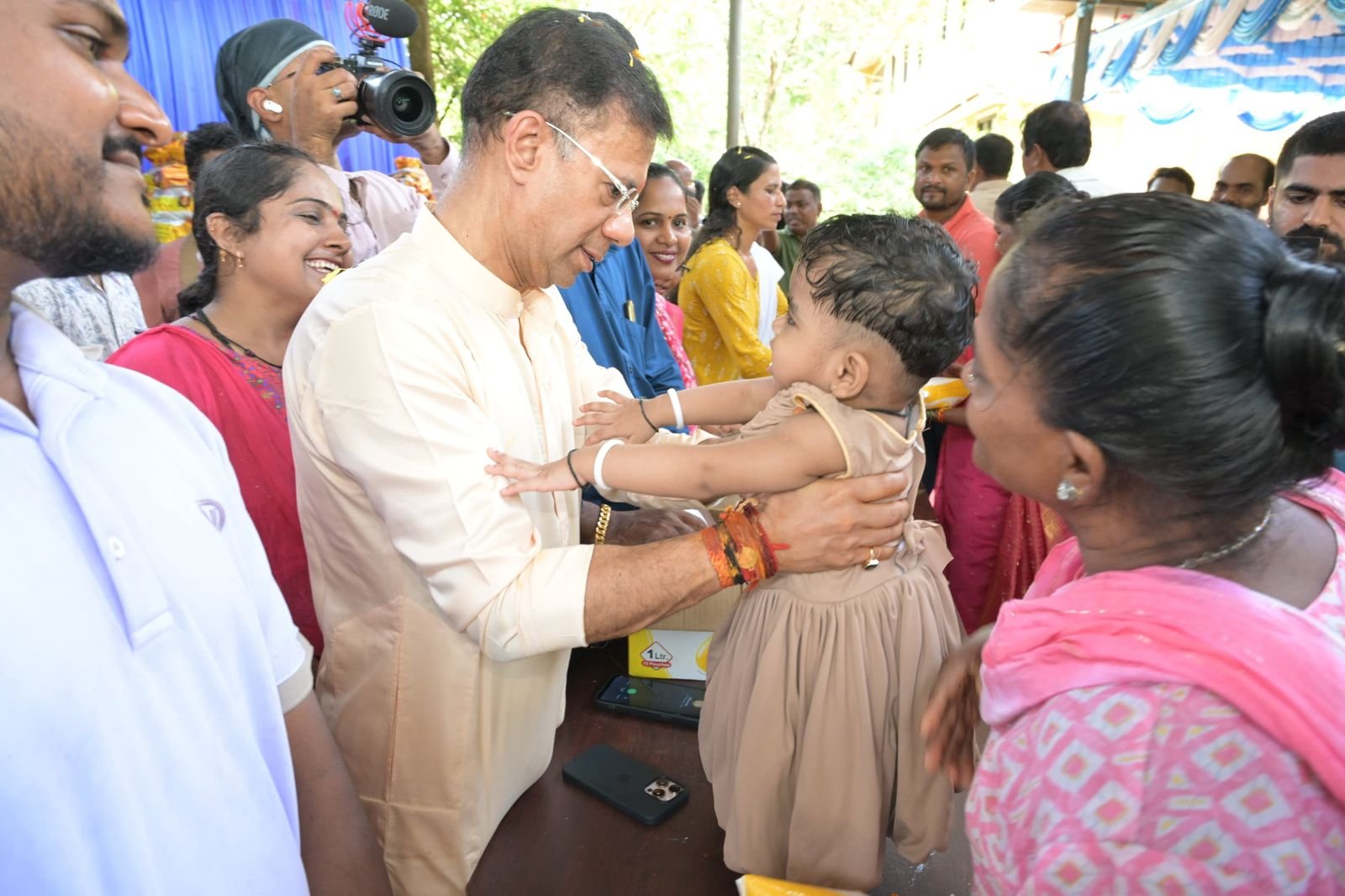
An essential feature of Vishwajit Rane’s leadership has been the focus on inclusion. Development initiatives in Sattari have consciously addressed the needs of marginalized and rural populations, ensuring that growth does not remain concentrated but is shared across communities. Through sustained engagement with local stakeholders and institutions, governance has remained adaptive and responsive. This participatory approach reinforces democratic accountability while strengthening the social fabric of the region.

Sattari as a Model for Viksit Goa
The progress witnessed in Sattari under Vishwajit Rane’s leadership illustrates how localized governance can contribute meaningfully to a larger state-wide vision. By aligning constituency-level action with the broader objectives of Viksit Goa, Sattari is increasingly being viewed as a replicable model of disciplined execution and citizen-focused governance. The emphasis on health, infrastructure, and inclusivity underscores a commitment to sustainable development rather than transient achievements.
A Forward-Looking Governance Commitment
As Goa continues its journey toward comprehensive development, Vishwajit Rane’s work in Sattari reflects a governance ethos anchored in responsibility, execution, and public trust. The sustained focus on grassroots impact demonstrates that meaningful change is built incrementally through consistent policy implementation and institutional integrity. With determination and clarity of purpose, Sattari’s development trajectory reinforces the belief that a stronger, healthier, and more inclusive future for Goa is achievable through grounded and accountable leadership.