










Andhra Pradesh has once again emerged as a national leader in energy efficiency by securing first prize in Group-II of the National Energy Conservation Awards for the fourth consecutive year, reinforcing the State’s sustained and institutionalised approach to energy conservation. Chief Secretary K. Vijayanand announced the achievement, stating that the recognition reflects years of structured planning, policy continuity, and coordinated implementation across departments rather than isolated interventions. The award highlights Andhra Pradesh’s ability to consistently meet national benchmarks for energy efficiency while aligning State-level programmes with broader sustainability objectives laid down by the Government of India.
President to Confer Award at National Ceremony
The award will be formally conferred by President of India Droupadi Murmu on December 14 during the National Energy Conservation Awards ceremony. APSPDCL Chairman and Managing Director K. Sivasankar will receive the award on behalf of the Andhra Pradesh State Energy Conservation Mission. The national awards programme, instituted to recognise excellence in energy efficiency, evaluates States on parameters such as policy design, implementation outcomes, monitoring mechanisms, and measurable reductions in energy consumption. Andhra Pradesh’s repeated selection indicates sustained performance rather than year-specific gains.
Institutional Role of AP State Energy Conservation Mission
Officials attributed the continued recognition to the central role played by the Andhra Pradesh State Energy Conservation Mission, which functions as the nodal agency for planning, coordination, and evaluation of energy efficiency programmes across sectors. The Mission has worked closely with power utilities, urban local bodies, and government departments to institutionalise energy-saving practices. Its approach has focused on long-term system improvements, including structured audits, performance monitoring, and adoption of energy-efficient technologies rather than short-term corrective measures.
Strengthening Energy Efficiency in Power Distribution
A significant component of the State’s conservation strategy has been improving efficiency within the power distribution network. Distribution companies such as APSPDCL have implemented feeder-level energy audits, strengthened loss-reduction measures, and enhanced monitoring systems to identify inefficiencies. These steps have contributed to reduced transmission and distribution losses, improved reliability of power supply, and more efficient utilisation of available energy resources. Officials noted that such systemic improvements play a critical role in ensuring sustainable energy management over the long term.
Energy Conservation Across Government Infrastructure
Energy efficiency initiatives have also been extended across government buildings, public institutions, and municipal infrastructure. Measures such as the adoption of energy-efficient lighting, optimisation of power usage in offices, and better load management practices have been systematically implemented. These interventions have helped reduce overall consumption while setting an example for institutional responsibility. Authorities stated that integrating energy efficiency into routine administrative functioning has been key to sustaining results across multiple years.

Public Awareness and Behavioural Change Initiatives
Beyond infrastructure and systems, Andhra Pradesh has placed emphasis on public awareness and behavioural change as an essential component of energy conservation. Campaigns promoting responsible electricity usage, adoption of energy-efficient appliances, and awareness of conservation practices have been carried out across urban and rural areas. Officials believe that long-term energy savings depend not only on technology but also on consumer participation, making public engagement a core pillar of the State’s strategy.
Alignment With National Energy and Climate Goals
The National Energy Conservation Awards align with India’s commitments toward reducing carbon intensity, improving energy security, and transitioning to a more sustainable growth model. Andhra Pradesh’s consistent recognition underscores its alignment with these national priorities. Experts note that sustained performance over four consecutive years indicates strong governance frameworks and institutional capacity, which are essential for achieving long-term climate and energy objectives.
Administrative Coordination and Governance Framework
Senior officials highlighted that effective coordination between the Energy Department, power utilities, regulatory bodies, and district administrations has enabled consistent execution of conservation policies. Regular reviews, data-driven assessments, and corrective interventions have ensured that programmes remain outcome-oriented. This governance framework has allowed Andhra Pradesh to move beyond pilot projects and embed energy efficiency into mainstream administration.
Impact Beyond Recognition
While the national award provides formal recognition, officials emphasised that the real impact lies in improved efficiency, reduced wastage, cost savings, and environmental benefits. Energy conservation initiatives contribute to more resilient power systems, lower operational costs, and reduced emissions, benefiting both consumers and the State economy. The award, they noted, is a reflection of these broader outcomes rather than an end in itself.
Future Direction for Energy Conservation Efforts
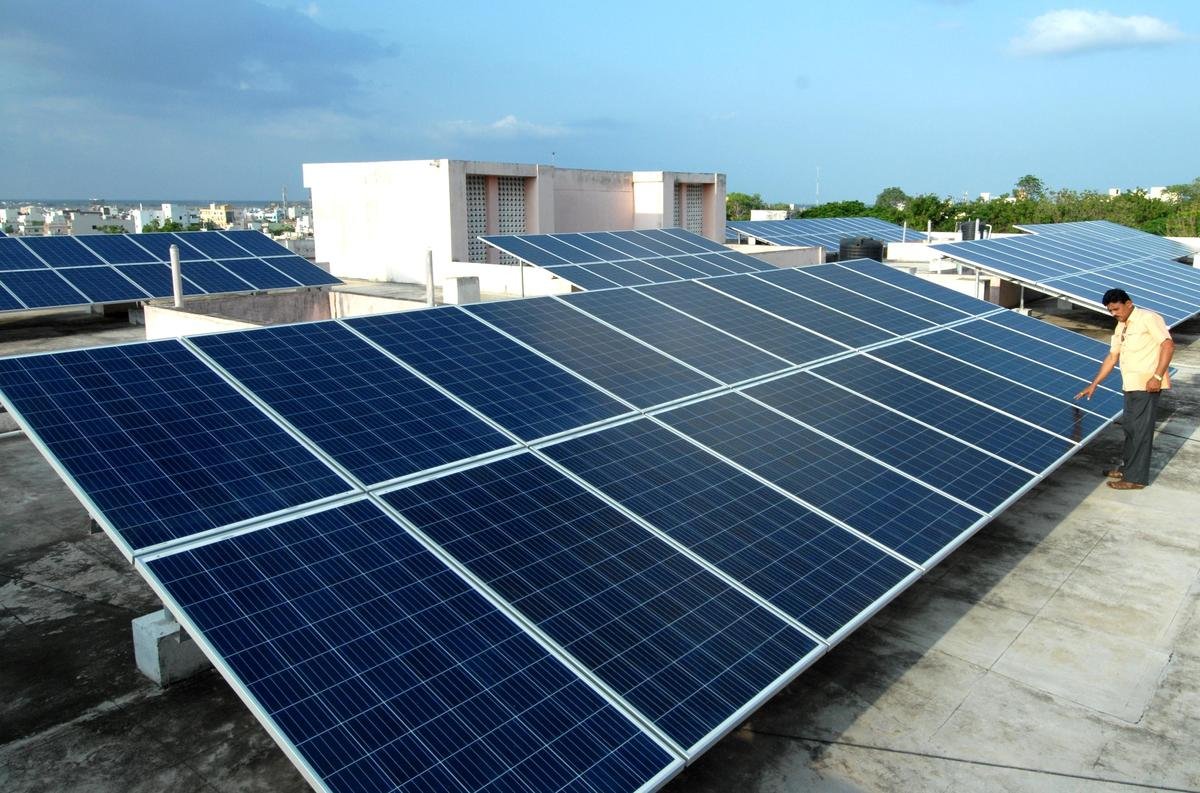
Looking ahead, the State plans to further strengthen its energy conservation initiatives by integrating new technologies, expanding monitoring systems, and aligning efficiency measures with renewable energy adoption. Authorities indicated that continuous evaluation and innovation will guide future programmes, ensuring that Andhra Pradesh remains aligned with evolving national and global energy standards.