








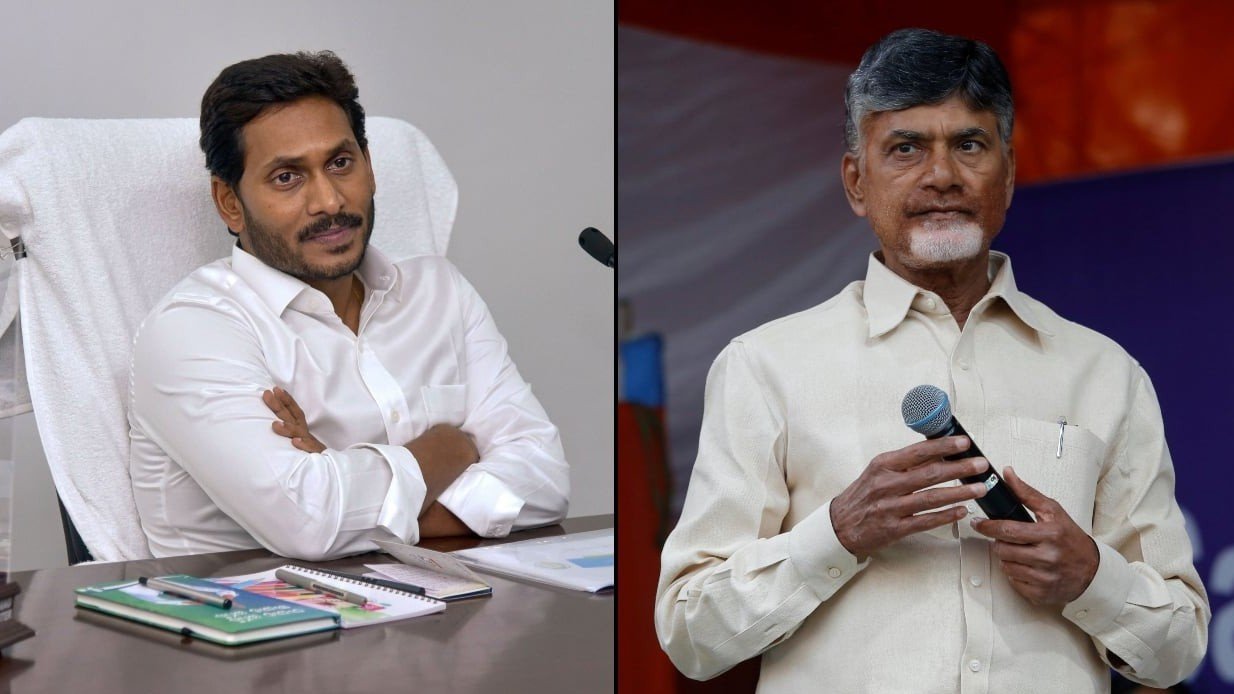
YSR Congress Party (YSRCP) President Y S Jagan Mohan Reddy launched a direct attack on the Chandrababu Naidu–led coalition government, alleging widespread failures across crucial sectors and misuse of administrative machinery. Addressing a press conference, the former chief minister stated that the current administration has weakened systems that directly impact the lives of farmers, students, and patients, creating what he described as a deep governance crisis.
Agriculture Sector Under Distress: Jagan Targets Govt Over Farmer Neglect
In a strong critique of the government’s agricultural management, Jagan said farmers had been denied essential support such as minimum support price (MSP), crop insurance, and capital assistance. He contrasted this with the YSRCP’s previous model, where benefits were delivered on time through Rythu Bharosa Kendras. According to him, the current government’s policies have pushed farmers into distress at a time when institutional support is most critical.
Jagan further stated that farmers were “being cheated at every step,” adding that the situation validates the “Save AP” slogan gaining momentum among the public. He also criticised the government’s failure to settle dues related to procurement operations, which has resulted in significant financial pressure on farming households.
Education Sector Crisis: Student Safety and Quality Standards Neglected
The former chief minister raised serious concerns over students’ safety, citing tragic incidents where 29 students reportedly died due to contaminated food and water. He argued that the alleged negligence in maintaining hygiene standards in hostels and schools reflects administrative breakdown in the education sector. Jagan also pointed out that poor quality in the midday meal scheme had forced students to carry food from home, reversing the progress made in previous years.
Additionally, he highlighted the delay in fee reimbursement, stating that many students were being forced to discontinue studies or face financial hardship. “The education ecosystem has been weakened, and students are paying the price,” he said.

Healthcare Paralysis: Aarogyasri Dues Unpaid, Medical Infrastructure Stressed
A major portion of Jagan’s critique focused on the healthcare sector. He alleged that the Aarogyasri scheme—considered one of the state’s most impactful health initiatives—had been severely weakened due to non-payment of dues to hospitals. This, he said, had disrupted essential medical services and burdened poor families who rely heavily on the scheme.
He further pointed to YSRCP’s signature campaign against privatisation of medical colleges, which reportedly gathered one crore signatures to be submitted to the Governor on December 16. According to him, the public response indicates a widespread demand to protect affordable medical education and healthcare services.
Misuse of Police Machinery and ‘Red Book Constitution’ Allegations
Jagan accused the current government of misusing law enforcement agencies to target opposition leaders. Referring to the “Red Book constitution”—a document carried by TDP leader Nara Lokesh during the campaign—he alleged that the government was acting on predetermined lists to frame political opponents.
He cited the Tirupati laddu case and Parakamani theft case as examples, claiming that YSRCP leaders were falsely implicated despite established institutional mechanisms designed to ensure transparency.
He also criticised the government for allowing spurious liquor units and belt shops to expand while simultaneously accusing YSRCP leaders of liquor-related issues. According to him, corruption had escalated under the coalition government, particularly in the closure of cases linked to ruling party leaders.
Political Climate and Public Response
The YSRCP chief described the administration’s governance model as unstable and politically motivated. He argued that public trust had eroded due to inconsistent decision-making, selective use of institutions, and failure to address core welfare needs. Jagan called for accountability in governance, urging the public to remain vigilant and question the present system.
The upcoming months are expected to witness intensified political discourse as the opposition increases pressure on the government across various policy fronts. With elections for multiple bodies approaching, the debate over governance standards is likely to become sharper.