










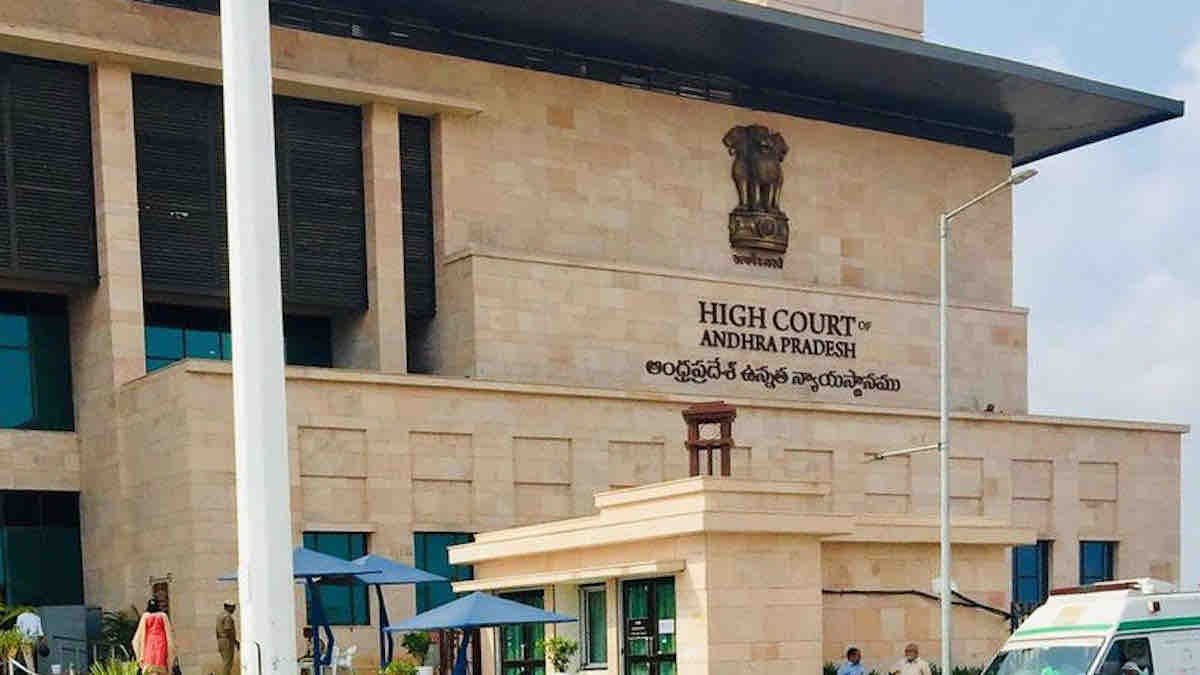
The Andhra Pradesh High Court on Friday issued notices to the Andhra Pradesh High Court Advocates Association (APHCAA) after a petition challenged the absence of 33% reservation for women in the association’s upcoming elections. The case has drawn significant attention within the legal community, bringing the conversation on gender representation in legal institutions back into focus.
Moved by senior counsel Thota Sunitha, the petition argues that the lack of reservation not only undermines constitutional values but also violates recent Supreme Court directives requiring bar associations to ensure one-third representation for women. Justice Gannamaneni Rama Krishna Prasad admitted the plea and directed the APHCAA to respond, scheduling the next hearing for Wednesday.
Constitutional Basis for Seeking Women’s Reservation
In her detailed submissions, Sunitha, arguing as a party-in-person, invoked the 106th Constitutional Amendment, which mandates one-third reservation for women from the local body level up to Parliament. According to her, the principle of ensuring wider participation of women in public institutions must logically extend to bar associations, which function as integral components of the justice delivery system.
She further argued that denying women proportional representation in the association’s electoral body is arbitrary, discriminatory, and inconsistent with the spirit of constitutional equality under Articles 14, 15, and 16. The petition underscores that equal opportunity in legal institutions is not merely symbolic but essential for dismantling long-standing structural barriers.
Supreme Court Guidelines Cited in Support of the Petition
A significant part of the petitioner’s argument rests on the Supreme Court’s directive issued in May last year, wherein the apex court instructed all Supreme Court bar and advocates’ associations to implement one-third reservation for women. Sunitha urged that similar guidelines must apply to the AP High Court Advocates Association, stressing that uniformity in representation norms across legal institutions is crucial for ensuring fairness.

She emphasized that bar associations serve as leadership platforms within the legal ecosystem, influencing opportunities, professional engagement, and representation. Failure to adopt reservation policies, therefore, has broader implications beyond association elections.
High Court’s Response and Issuance of Notices
After hearing the submissions, Justice Gannamaneni Rama Krishna Prasad issued notices to the APHCAA and sought their response on the matter. The judge acknowledged the seriousness of the issues raised and directed that the matter be taken up for further hearing next Wednesday.
Sunitha made the association’s president, general secretary, and executive committee members party respondents. With the APHCAA preparing to hold elections next March, the court’s intervention has come at a pivotal moment.
The court will now examine whether constitutional principles and Supreme Court directions on women’s reservation apply to the functioning and electoral procedures of bar associations at the state level.
Why This Petition Gains Wider Significance
The plea comes at a time when the representation of women in India’s legal fraternity remains disproportionately low. Despite thousands of women practicing law across the country, leadership roles in bar associations continue to reflect a wide gender gap. The petition argues that implementing a 33% quota is a necessary first step in ensuring that women’s voices are adequately represented in policy-making and administrative matters within the legal system.
Observers note that the case may set a precedent for similar petitions in other states. If the court rules in favour of the petitioner, bar associations across India may be required to adopt similar reservation policies, enhancing diversity and strengthening institutional inclusiveness.
Next Steps and Anticipated Outcomes
The AP High Court will take up the matter again next Wednesday, where the association’s response is expected. Depending on the submissions, the court may consider issuing interim directions or setting guidelines for the upcoming elections in March.
Legal experts believe the outcome could have far-reaching consequences. If the plea succeeds, it could mark a significant shift in how bar associations structure their internal governance, potentially accelerating broader reforms in legal institutional leadership.