








An 80-second clip recovered from the damaged phone of Dr. Umar Un Nabi, the 32-year-old Kashmiri doctor who carried out the suicide bombing near Delhi’s Red Fort on November 10, has gone viral for all the wrong reasons. In the undated video, the soft-spoken, English-fluent doctor calmly justifies suicide bombings as “istishhadi” operations not suicide, but martyrdom, because the attacker “presumes certain death at a specific time and place”.
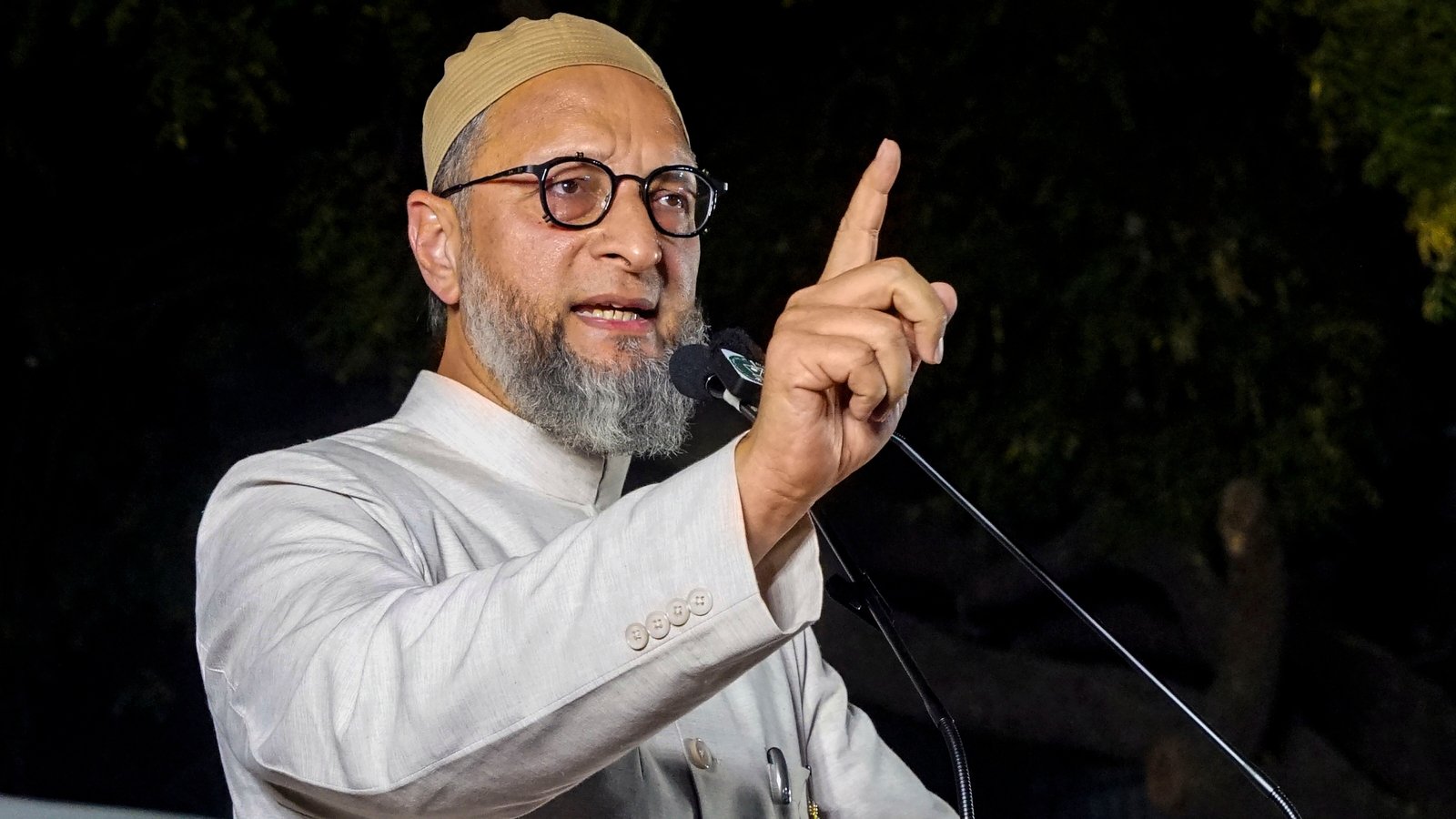
On Tuesday evening, AIMIM president and Hyderabad MP Asaduddin Owaisi became the first major Muslim leader to issue a categorical, unambiguous condemnation of both the video and the blast itself.
Owaisi’s Unsparing Words
In a strongly worded statement and a series of posts on X, Owaisi declared: “Suicide is haram in Islam and the killing of innocent people is one of the gravest sins. Such acts are also against the law of the land. They are not ‘misunderstood’ in any way. This is terrorism and nothing else.”
He added that no theological gymnastics can ever justify the murder of civilians. The message was clear: there is no grey area, no room for “but” or “however” when innocents are targeted.
The Direct Challenge to Amit Shah
Owaisi did not stop at condemning the act. He turned his fire on Union Home Minister Amit Shah’s repeated parliamentary claim – made after Operations Sindoor and Mahadev – that “not a single local Kashmiri youth has joined terror ranks in the last six months”.
Owaisi asked pointedly: “If no local Kashmiri joined any terror outfit in the last six months, then where did this Jaish-e-Mohammed module come from? Who radicalised Dr. Umar Un Nabi and his associates? Who is accountable for the intelligence and detection failure that allowed a suicide bomber to reach the heart of the national capital?”
These questions have now put the Home Ministry on the back foot at a time when the Red Fort blast probe is still unfolding.
How the Video Was Recovered
The 80-second clip was extracted through advanced forensic recovery after Umar’s phone was damaged in the explosion. Investigators first gained access to the device from Zahoor Illahi, Umar’s brother, who was detained while driving the explosive-laden car on November 10. The blast killed 13 people and injured more than 20.
Though the phone was shattered, NIA’s cyber-forensics team managed to retrieve the video along with fragments of encrypted chats. In the footage, Umar speaks directly to the camera in fluent English, addressing “misunderstandings” about suicide bombings and claiming that such operations are permissible because the attacker “goes against the presumption of natural death”. Sources say the video was meant as a posthumous justification, possibly to be released by JeM handlers after the attack.
The Making of a “White-Collar” Suicide Bomber
What makes Umar Un Nabi particularly dangerous in the eyes of investigators is his profile. A qualified doctor who studied and taught at Al-Falah University in Faridabad, he represented the new face of terror – educated, articulate, tech-savvy, and capable of moving undetected in urban India.
Officials describe him as the most radical member of the JeM “white-collar module”. He had reportedly tried to convince another arrested doctor, Jasir Bilal alias Danish (picked up by NIA on November 17), to become a suicide bomber as well. At the time of the blast, Umar was using two phones – one for routine communication and another exclusively for handlers. The search for additional SIM cards and the exact location where the video was shot continues.
The Broader Security Implications
Owaisi’s intervention has brought three critical issues into sharp focus:
- The dangers of online radicalisation reaching even highly educated professionals.
- The gap between official claims of “zero local recruitment” and the reality of a fully operational JeM module inside Kashmir and Delhi-NCR.
- The urgent need for Muslim religious and political leaders to consistently and unambiguously condemn terror without appending political riders.
A Rare, Unequivocal Stand
In an atmosphere where responses from some quarters often come wrapped in “buts” and “context”, Owaisi’s statement stood out for its clarity and absence of ambiguity. There was no reference to Kashmir’s political situation, no “root cause” justification, no hesitation. Just a straightforward declaration that targeting innocents is haram, illegal, and terrorism – full stop.
What Happens Next
With the video now public and Owaisi’s questions hanging in the air, pressure is mounting on the Home Ministry to explain how a highly radicalised doctor managed to plan and execute a suicide attack in the national capital despite claims of an iron grip on terror recruitment.
The NIA continues to scan recovered data, trace financial trails, and hunt for remaining handlers. Meanwhile, the political and security establishment knows one thing for certain: the ghost of “white-collar jihad” has arrived, and it speaks fluent English.
Asaduddin Owaisi has drawn a line in the sand. The question now is whether the rest of the country and its leadership will stand on the same side of that line.