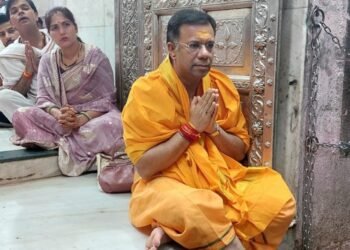












In an era where public trust in institutions is increasingly shaped by responsiveness and accessibility, Member of Parliament YS Avinash Reddy has consistently demonstrated a leadership model grounded in direct public engagement. By prioritising dialogue with citizens and addressing their concerns at the grassroots level, he has reinforced the principle that governance must remain connected to people’s lived realities.
Across constituencies, Avinash Reddy’s approach has been marked by listening sessions, on-site inspections, and structured follow-ups with administrative departments. This sustained engagement has positioned him as a representative who does not merely acknowledge grievances but actively works toward solutions, ensuring that public issues translate into administrative action rather than remaining symbolic gestures.
Listening as the Foundation of Leadership
At the core of Avinash Reddy’s leadership style lies a simple yet powerful principle: effective governance begins with listening. Whether addressing infrastructure gaps, drinking water shortages, healthcare access, or local development concerns, he has consistently engaged with citizens to understand issues in depth before proposing interventions.
This approach allows for problem-solving that is informed by ground realities rather than assumptions. By listening directly to affected communities, he ensures that policy responses are practical, targeted, and aligned with actual needs, thereby improving outcomes and reducing administrative inefficiencies.
Resolving Issues Through Administrative Coordination
Beyond engagement, Avinash Reddy has focused on ensuring resolution. He has actively coordinated with district administrations, state departments, and central agencies to expedite solutions to long-pending issues. This includes follow-ups on sanctioned works, monitoring implementation timelines, and holding officials accountable for delays.

Such coordination-driven governance reflects an understanding that leadership does not end with raising issues but extends to ensuring execution. By acting as a bridge between citizens and the administration, he strengthens institutional responsiveness and improves service delivery.
Grassroots Presence and Accessibility
A defining feature of Avinash Reddy’s public life has been his consistent presence among the people. Regular visits to villages, interaction with local representatives, and accessibility to ordinary citizens have reinforced the perception of a leader who is approachable and attentive.
This accessibility has played a critical role in restoring confidence in democratic processes, particularly among marginalised and rural communities. By being visible and available, he sends a clear message that public office exists to serve, not distance itself from, the people.
Accountability as a Governance Ethic
Avinash Reddy’s people-first approach is also anchored in accountability. By documenting grievances, tracking progress, and seeking explanations for delays, he has encouraged a culture of responsibility within the administrative framework. This insistence on accountability ensures that governance outcomes are measurable and transparent.
Such an ethic is essential for strengthening democratic institutions and ensuring that development initiatives reach intended beneficiaries without dilution or delay.
A Model of Responsive Public Representation
As governance increasingly demands transparency, empathy, and execution, YS Avinash Reddy’s leadership offers a model rooted in responsiveness and public trust. His emphasis on listening, resolving, and remaining accessible underscores a broader vision of leadership that places citizens at the centre of decision-making.
In a political landscape often criticised for detachment from grassroots realities, his approach reinforces the idea that sustainable governance is built through continuous engagement, accountability, and a genuine commitment to public welfare.