








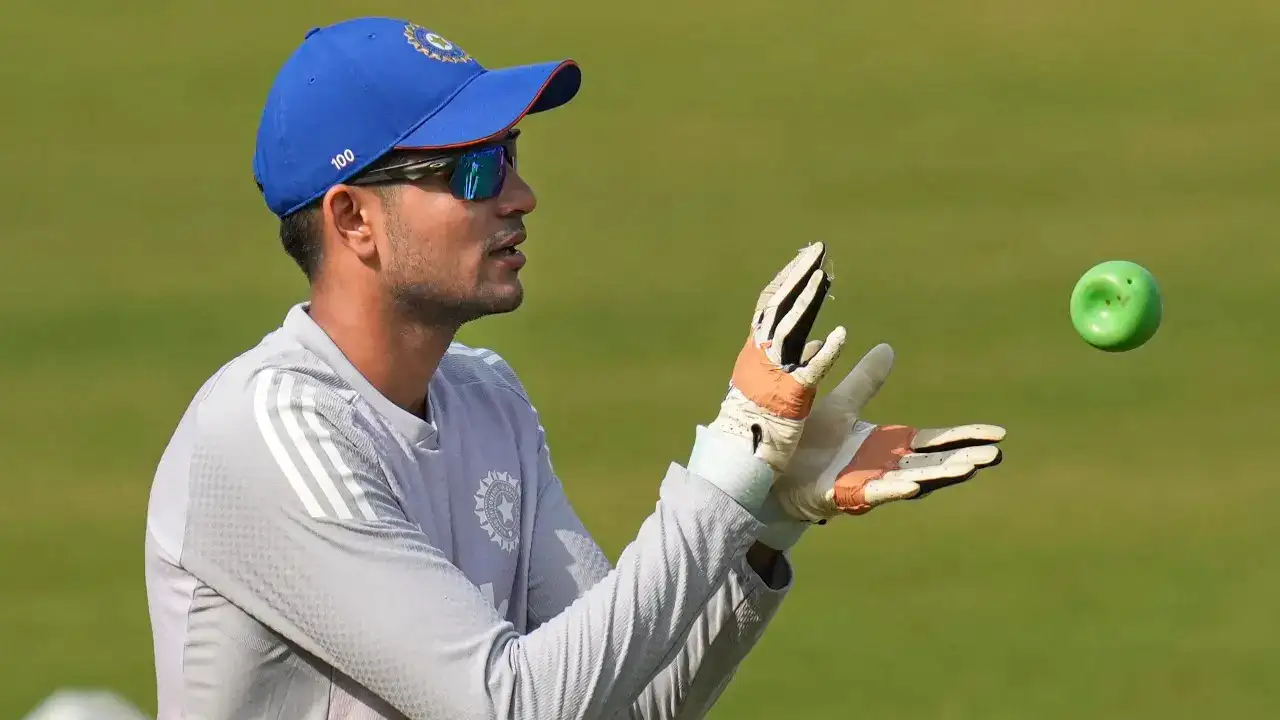
Punjab locked horns with Goa in a significant Group C fixture of the Vijay Hazare Trophy 2025–26 at Jaipur on Tuesday, January 6, with the return of Shubman Gill adding further weight to the contest. As the league stage approached its decisive phase, the match carried clear implications for knockout qualification, particularly for Punjab, who entered the contest leading the group standings after a strong run of performances.
The Vijay Hazare Trophy, India’s premier domestic 50-over competition, has long served as a platform where emerging talent and established internationals converge. This encounter reflected that balance, combining Punjab’s consistent campaign with Goa’s attempt to regain stability and competitiveness in a challenging group.
Punjab’s Position of Strength Heading into the Contest
Punjab began the match as one of the most consistent sides in Group C, having displayed discipline across batting and bowling departments in earlier fixtures. Their position at the top of the table meant that another victory could potentially seal qualification for the knockout stage, reducing pressure in the remaining league fixtures.
The return of Shubman Gill significantly strengthened Punjab’s batting order. Gill’s presence at the top brings technical assurance, composure under pressure, and the ability to anchor innings in high-stakes matches. While the team management remained cautious in framing expectations, Gill’s availability was viewed as a strategic boost rather than a reliance factor, reflecting Punjab’s emphasis on collective performance.
Goa’s Campaign and the Need for a Turnaround
Goa entered the fixture seeking a reversal of fortunes. The team had struggled to find consistency earlier in the tournament, with results not always reflecting competitive phases of play. Despite the challenges, the group-stage format offered Goa an opportunity to disrupt the standings by producing a strong performance against one of the tournament’s form teams.

For Goa, the match against Punjab represented more than just points; it was an opportunity to assert resilience, test combinations, and restore confidence within the squad. Upsetting a group leader in a tournament of this stature often serves as a catalyst for renewed momentum, and Goa approached the contest with that objective in mind.
Early Exchanges and Punjab’s Control in the Powerplay
Punjab’s bowlers set the tone early, maintaining tight lines and applying consistent pressure during the powerplay. Their approach reflected preparation and clarity in execution, particularly against Goa’s top order. The third breakthrough arrived just before the conclusion of the powerplay, a critical phase in limited-overs cricket.
Kauthankar, who had attempted to settle into his innings, was dismissed for 16 off 18 deliveries, caught on the pads by Bhagat. The timing of the wicket proved significant, halting Goa’s attempts to build early momentum and reinforcing Punjab’s grip on the contest during the opening overs.
Middle-Order Resistance and Goa’s Rebuilding Effort
Following the early setbacks, Goa looked toward stabilization rather than immediate acceleration. Suyash emerged as a key contributor during this phase, batting with intent and awareness. His knock of 31 off 27 deliveries demonstrated controlled aggression, combining boundary options with rotation of strike to prevent further collapse.
With Lalit Yadav joining him at the crease, Goa focused on rebuilding the innings through partnerships rather than individual strokes. The approach highlighted a measured response to early pressure, reflecting the team’s intent to remain competitive and push the match into a more balanced phase.
Gill’s Return and Punjab’s Tactical Depth
While much attention naturally centred on Shubman Gill’s return, Punjab’s overall tactical balance remained the defining feature of their campaign. Gill’s presence allowed flexibility in batting roles, enabling other players to operate within clearly defined responsibilities.
From a strategic perspective, Punjab’s ability to integrate an international-level player without disrupting team balance underscored the depth of their domestic structure. Rather than overhauling combinations, the team maintained continuity, a factor that has often differentiated successful domestic sides from inconsistent ones.
Vijay Hazare Trophy’s Continuing Relevance
The match once again highlighted the enduring relevance of the Vijay Hazare Trophy in India’s cricketing ecosystem. As a tournament that mirrors the demands of international one-day cricket, it serves as a testing ground for temperament, adaptability, and tactical discipline.
For selectors and team managements, performances in such matches carry weight beyond immediate results. The presence of established players like Gill alongside emerging talents reinforces the tournament’s role as a bridge between domestic excellence and national opportunities.
Group C Implications and the Road Ahead
As the league phase progresses, outcomes in matches such as Punjab versus Goa are likely to have a direct bearing on Group C standings. For Punjab, consistency remains the priority as they aim to secure qualification with minimal disruption. For Goa, competitive performances, even in challenging circumstances, offer lessons and building blocks for future fixtures.
Regardless of the final result, the encounter served as a reminder of the competitive depth present in India’s domestic cricket structure, where preparation, execution, and adaptability often outweigh reputation alone.
Conclusion: A Match Reflecting Competitive Balance
The Group C clash between Punjab and Goa encapsulated the broader narrative of the Vijay Hazare Trophy 2025–26 competitive, structured, and performance-driven. Shubman Gill’s return added context and interest, but the match itself remained defined by team strategies, discipline, and situational awareness.
As the tournament advances toward its knockout stages, such fixtures continue to shape both standings and storylines, reinforcing the Vijay Hazare Trophy’s position as a cornerstone of India’s domestic cricket calendar.