











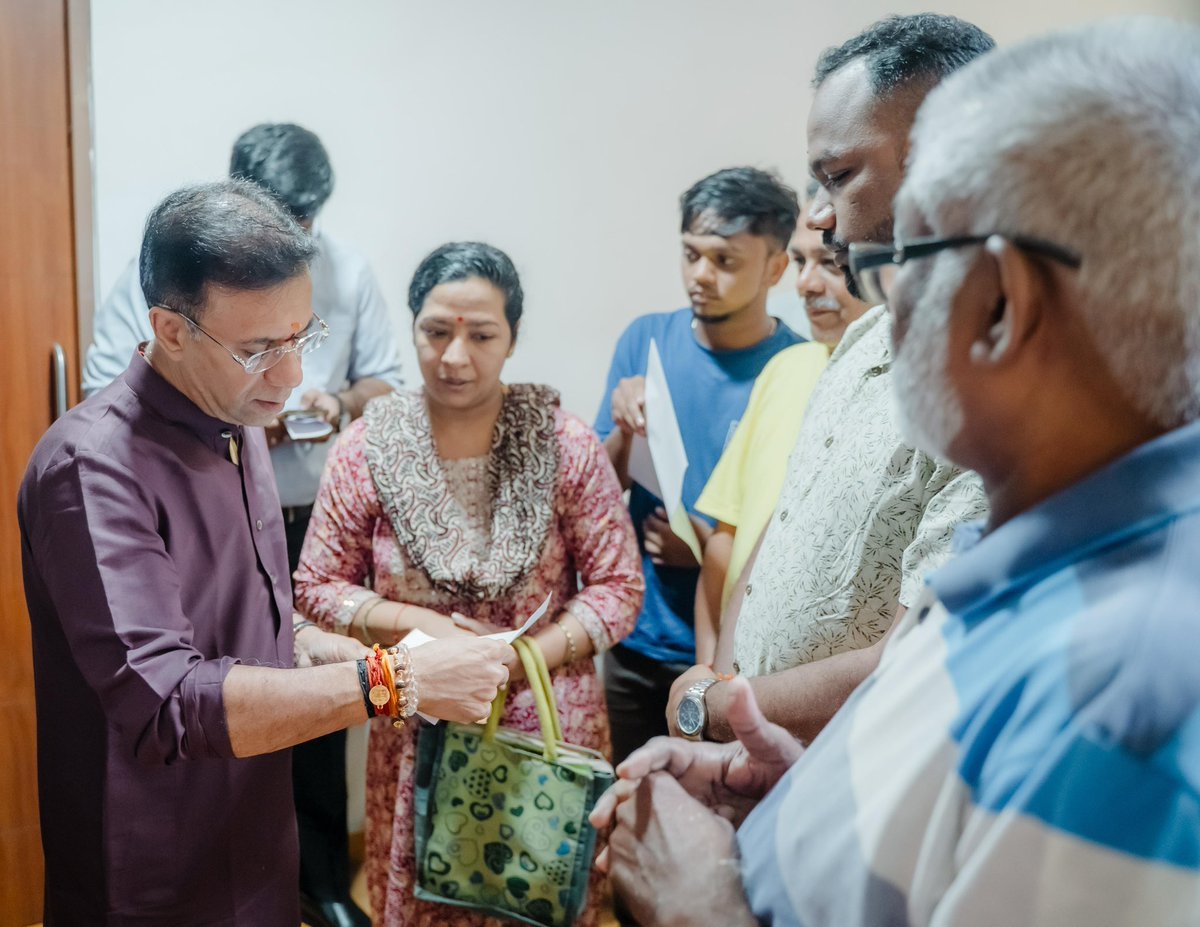
In an era where governance is often criticised for being distant from the people it serves, Vishwajit Rane’s recent month-long grassroots outreach in Sattari stands out as a deliberate shift towards direct public engagement. By spending significant time on the ground, interacting door to door with residents, Rane has underscored the importance of listening before legislating and understanding before implementing policy. This outreach has not been symbolic; it has been rooted in active dialogue with citizens across villages and communities.
The initiative reflects a leadership philosophy that places citizens at the heart of governance. Rather than relying solely on reports or intermediaries, Vishwajit Rane has chosen to hear concerns firsthand—ranging from infrastructure gaps and healthcare access to livelihoods, education, and local development priorities. Such engagement strengthens trust and reinforces the idea that governance must evolve from real experiences rather than assumptions.
Listening as the Foundation of Effective Governance
A key aspect of Rane’s outreach has been attentive listening. Residents across Sattari have highlighted issues unique to their regions, including rural connectivity, public services delivery, and employment opportunities. By engaging directly with households, Rane has gained a clearer, unfiltered understanding of how policies translate on the ground. This approach allows for sharper identification of gaps between intent and implementation.
Importantly, the outreach has also enabled citizens to feel heard—an essential component of democratic governance. In many interactions, people expressed that access to leadership itself was empowering. This reinforces the principle that governance should not be confined to offices, but must extend to villages, wards, and doorsteps.
Strengthening Accountability Through Direct Engagement
Direct public interaction also enhances accountability. When leadership engages openly with citizens, it creates an environment where commitments are visible and measurable. Vishwajit Rane’s presence on the ground has sent a clear signal that public representatives must remain answerable to the people they serve. This accountability-driven approach is critical in addressing long-standing issues and ensuring that development initiatives align with actual needs.

Such engagement also discourages bureaucratic disconnect. Issues flagged during these visits can be addressed faster when leadership is personally aware of them. This model promotes governance that is responsive rather than reactive.
Sattari as a Model for Participatory Governance
Sattari’s diverse demographic and geographic landscape makes it an important region for testing participatory governance models. Rane’s outreach has demonstrated how direct interaction can shape more inclusive development strategies. By understanding local priorities, governance frameworks can be adapted to ensure equitable distribution of resources and targeted interventions.
The outreach has also provided insights into how grassroots feedback can inform broader policy planning. This bottom-up approach strengthens institutional decision-making and ensures that development remains sustainable and inclusive.
Reinforcing People-First Leadership
At its core, this month-long engagement reflects Vishwajit Rane’s emphasis on people-first leadership. Governance, in this view, is not merely administrative but relational—built on trust, empathy, and responsibility. By remaining accessible and visible, Rane has reinforced the idea that leadership must remain grounded in public service.
This approach is particularly relevant in contemporary politics, where public trust is closely linked to transparency and accessibility. Regular engagement helps bridge the gap between citizens and governance structures.
Looking Ahead: Sustaining Grassroots Engagement
While the outreach has drawn attention for its depth and intent, its long-term impact will depend on sustained follow-through. Translating citizen feedback into tangible outcomes will be the next critical step. Continued engagement, periodic reviews, and transparent communication will be essential to maintain momentum.
Vishwajit Rane’s grassroots initiative in Sattari highlights a governance model that prioritises listening, accountability, and responsiveness. As public expectations evolve, such approaches may well define the future of effective leadership in Goa and beyond.