


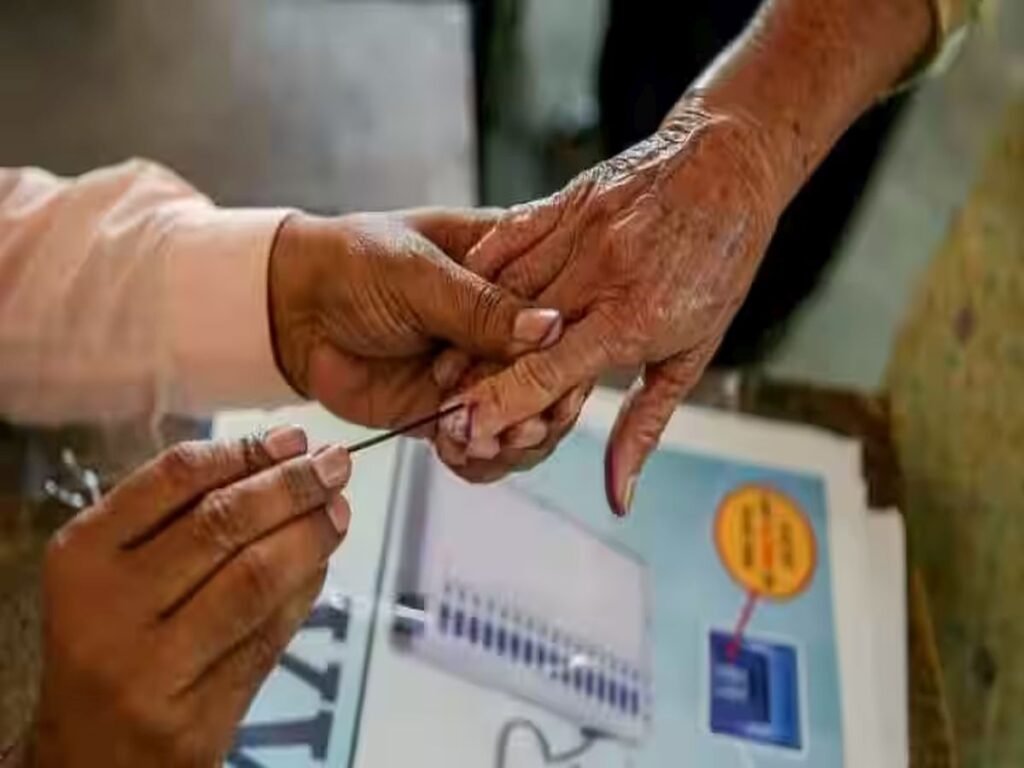
The early outcome of the Goa Zilla Parishad elections 2025 has begun to offer critical insights into the prevailing political currents at the grassroots level. As counting trends emerge, the results reflect a cautious and measured response from the electorate, particularly toward opposition formations. With only limited seat gains recorded so far, the unfolding picture underscores the complexity of local governance elections and the challenges faced by parties seeking to expand their footprint beyond traditional strongholds.
Congress Registers Limited Presence in Zilla Parishad Polls
The Indian National Congress has managed to secure a single Zilla Parishad seat in the early phase of results, marking a modest presence in the local body election. While the party retains organizational structures across the state, the limited electoral conversion highlights ongoing challenges in mobilizing sustained grassroots support. The outcome signals the need for deeper constituency engagement and renewed strategic alignment as local governance continues to play an increasingly central role in public administration.
Regionalist Goa Party Opens Account with One Victory
The Regionalist Goa Party (RGP) has also succeeded in opening its account by securing one seat in the Zilla Parishad elections. This result, though limited in numerical terms, carries symbolic importance for a regional political formation seeking relevance in Goa’s local governance framework. The ability to translate localized support into representation suggests pockets of voter resonance, even as broader electoral expansion remains a work in progress.
AAP and Goa Forward Party Await Electoral Breakthrough
In contrast, the Aam Aadmi Party and the Goa Forward Party are yet to register a win in the ongoing counting trends. Despite visible campaign efforts and issue-based positioning, the absence of seat victories thus far points to structural and organizational constraints at the Zilla Parishad level. These outcomes highlight the difficulty of translating state or national visibility into success in decentralized, constituency-driven elections.
Independent Candidates Face Uphill Task in Local Polls
Independent candidates, often considered influential in local governance contests, have also not secured representation in the early results. This development suggests a voter preference for organized political structures over individual candidatures, particularly in a competitive electoral environment. The trend reinforces the growing institutionalization of local politics in Goa, where party-backed candidates appear to hold a relative advantage.
Implications for Grassroots Governance and Political Strategy
The early trends of the ZP Election Goa 2025 reflect a fragmented opposition landscape and underline the importance of organizational depth, local credibility, and sustained engagement. As Zilla Parishads play a crucial role in implementing development schemes and addressing rural governance issues, these results carry significance beyond mere electoral arithmetic. For political parties, the outcome serves as a reminder that effective grassroots governance remains central to long-term public trust and electoral success.