





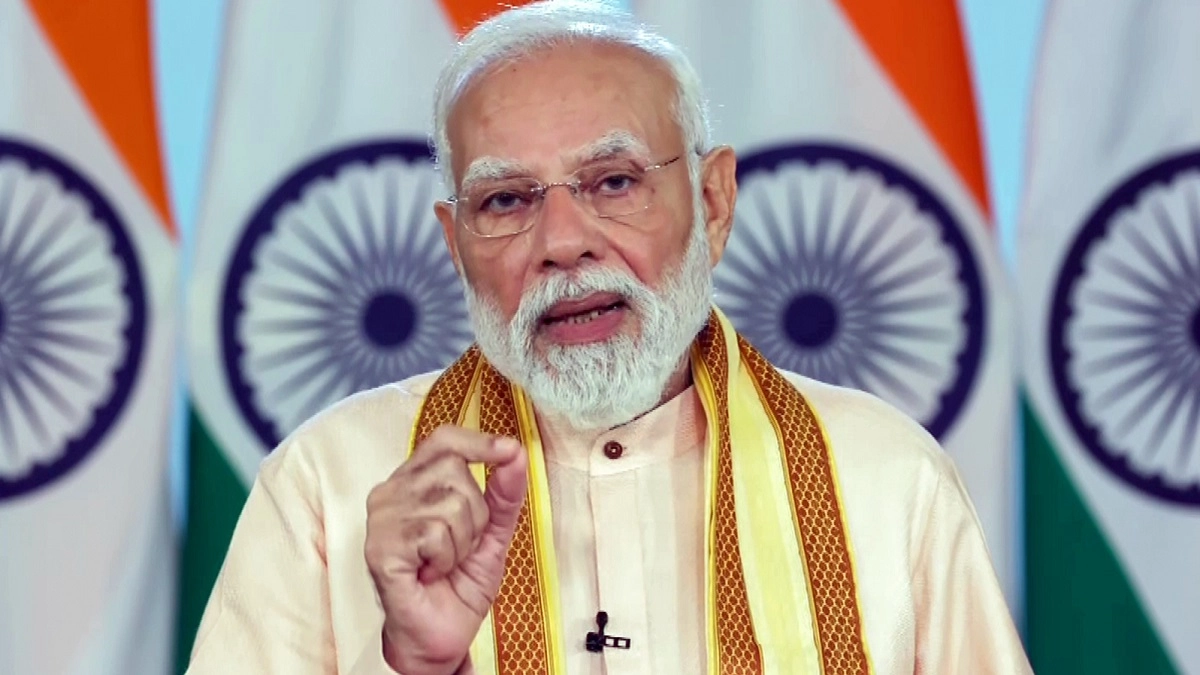
Prime Minister Narendra Modi on Friday commemorated Goa Liberation Day by remembering the sacrifices of Indian soldiers and freedom fighters who played a historic role in ending Portuguese colonial rule in Goa in 1961. Marking the grand success of Operation Vijay, the Prime Minister described the day as a defining chapter in India’s journey towards national integration.
In a message shared on X, PM Modi said Goa Liberation Day reminds the nation of the indomitable spirit of those who refused to accept injustice and fought for freedom with courage and conviction. He added that their sacrifices continue to inspire efforts aimed at achieving the all-round progress of Goa.
Tribute to Armed Forces and Freedom Fighters
The Prime Minister saluted the armed forces and freedom fighters for their unwavering resolve and dedication in liberating Goa from colonial rule. He expressed gratitude to those who fought relentlessly and extended his wishes for a bright and prosperous future for the people of Goa.
Goa’s liberation stands as one of the most significant milestones in post-Independence India, symbolising the completion of the country’s territorial integration after 1947.
Post-Independence Integration Challenges
Following Independence, the Indian government faced several challenges related to integrating regions such as Goa, Jammu and Kashmir, and Hyderabad. While India made repeated diplomatic efforts to persuade Portugal to hand over Goa peacefully, these attempts were rejected by the colonial regime, which had ruled the region for over 450 years.

The refusal led to the intensification of the Goa Liberation Movement, marked by strong public participation and leadership from prominent national and local figures.
Role of Freedom Fighters and Public Resistance
Leaders such as Dr Ram Manohar Lohia and Dr Juliao Menezes played a key role in mobilising public resistance against Portuguese rule. The movement witnessed protests, strikes, and acts of civil disobedience, challenging colonial restrictions on political and civil rights.
The Portuguese administration responded with arrests, censorship, and suppression, forcing many activists underground. Despite these challenges, resistance continued to grow across Goa.
Operation Vijay and Liberation
Regarded as the ‘Father of Goan Nationalism’, T B Cunha laid the foundation for organised resistance against Portuguese rule. In December 1961, under the leadership of then Prime Minister Jawaharlal Nehru, the Indian Armed Forces launched Operation Vijay to liberate Goa, along with Daman and Diu.
According to Doordarshan reports, the meticulously planned 36-hour operation culminated in the surrender of Portuguese Governor-General Manuel António Vassalo e Silva on December 19, 1961, marking the end of colonial rule in Goa.
Goa’s Journey After Liberation
Since liberation, Goa has evolved from a colonial territory into one of India’s most vibrant states, known globally for its cultural heritage, tourism, and economic development. Goa Liberation Day serves as a reminder of the sacrifices that laid the foundation for this transformation.
Prime Minister Narendra Modi’s message on Goa Liberation Day reinforces the importance of remembering historical struggles and honoring those who fought for India’s unity and freedom. The day continues to inspire a sense of national pride and commitment to inclusive growth and progress.