










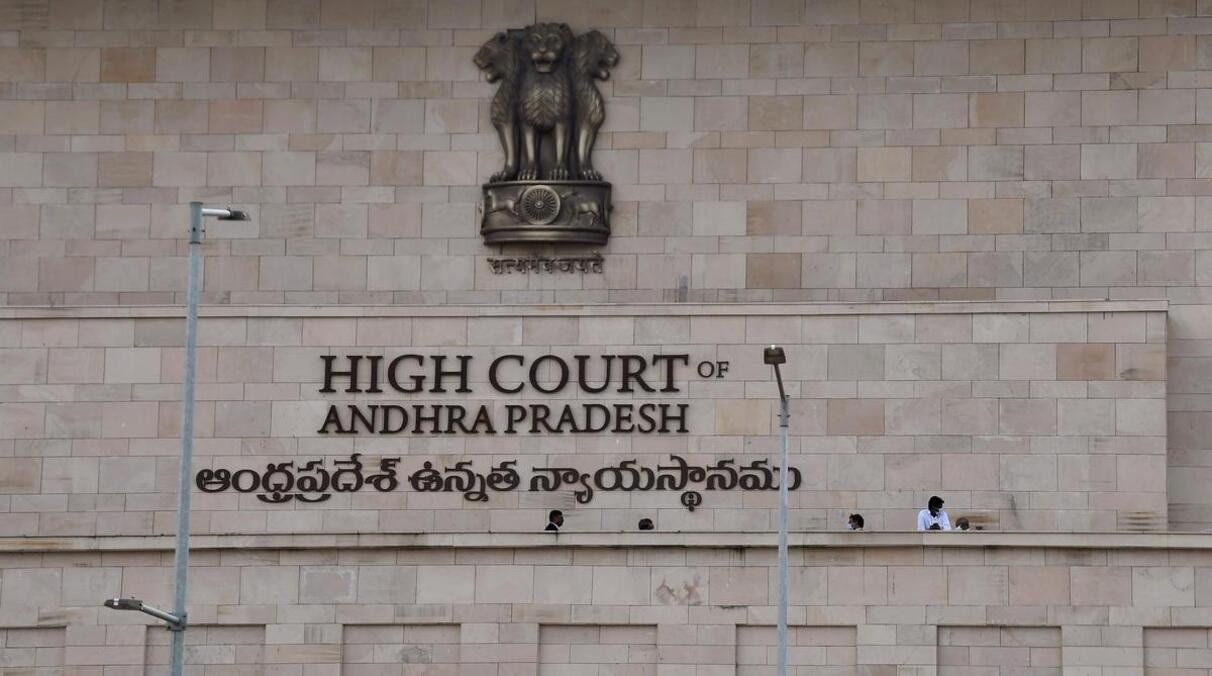
The Andhra Pradesh High Court on Tuesday observed that Tirumala Tirupati Devasthanams (TTD) should modernise its surveillance and offerings-handling systems by adopting artificial intelligence-based CCTV monitoring and mechanising the Parakamani process. The observations were made by Justice Gannamaneni Ramakrishna Prasad while hearing a batch of writ petitions related to the Parakamani theft case that raised serious concerns over internal controls and safeguarding of temple offerings.
The court stressed that institutional reforms were necessary to protect devotees’ faith and ensure transparency in one of the country’s most prominent religious institutions.
Court Observations During Parakamani Theft Case Hearing
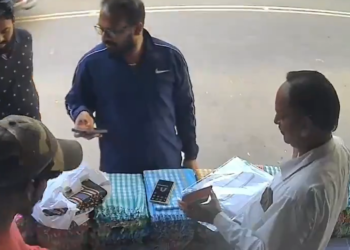
Justice Prasad’s remarks came in the context of the Parakamani theft case involving CV Ravi Kumar, who was caught stealing foreign currency in April 2023 by concealing cash in his undergarments. While the initial investigation revealed a theft of $11,300, subsequent probes indicated repeated thefts over several years, leading to the accumulation of assets allegedly worth nearly ₹100 crore.
The case highlighted systemic vulnerabilities in the manual handling of offerings, prompting judicial scrutiny of existing procedures.
Need to Reduce Human Intervention Through Technology
The High Court observed that greater use of artificial intelligence and automation would significantly reduce human intervention in sensitive processes such as surveillance and currency counting. Justice Prasad noted that the introduction of AI-enabled CCTV systems could improve real-time monitoring and accountability, thereby reducing the scope for theft or misappropriation.

The court emphasised that technological intervention was essential for institutions handling large volumes of public offerings on a daily basis.
Mechanisation of Parakamani Process Recommended
Referring to the Parakamani system, the judge suggested replacing manual segregation and counting of currency notes and coins with mechanised processes. He said that since the counting of offerings now takes place outside the temple premises, the provisions of Agama Shastra may not pose an obstacle to automation.
Justice Prasad also indicated that outsourcing and excessive reliance on volunteers should be reconsidered to ensure tighter institutional control.
Safeguarding Devotees’ Sentiments and Offerings
The court stressed that protecting offerings was not merely an administrative responsibility but also a matter of safeguarding the sentiments of millions of devotees. Any lapse, it noted, could undermine public confidence in temple administration and governance.
Justice Prasad observed that reforms must balance religious traditions with modern administrative requirements to ensure transparency and trust.
Broader Implications for Temple Administration
Legal experts believe the observations could set a precedent for technology-driven reforms in temple administration across the country. The emphasis on AI surveillance and mechanisation reflects a broader shift towards governance reforms aimed at reducing manual handling in high-risk financial environments.
As the matter continues to be heard, the court’s recommendations are expected to influence future policy decisions within TTD and similar institutions.