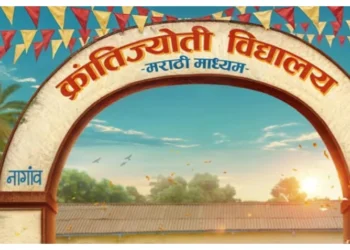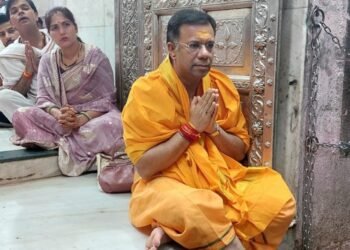











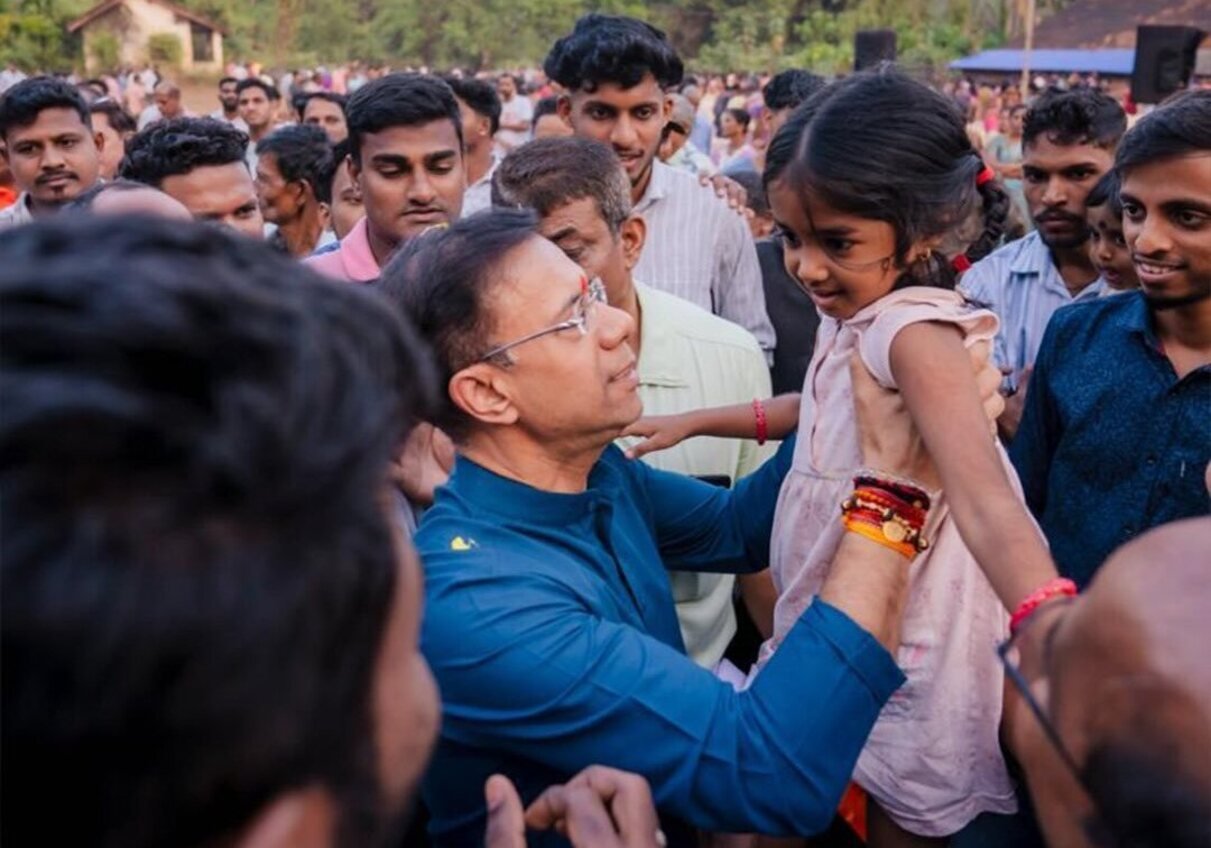
Sattari MLA Vishwajit Rane spent the day engaging with residents across his constituency, reaffirming his emphasis on grassroots-level interaction as a foundation for effective governance. The visit involved informal discussions with local families and community members, providing an opportunity to review how development initiatives implemented under the BJP government have translated on the ground. Officials familiar with the outreach described it as part of a sustained effort to remain connected with people’s lived realities rather than relying solely on administrative feedback.
Assessing Development Outcomes in Sattari
During the interactions, Vishwajit Rane reviewed progress made in key areas such as infrastructure, public services, and local amenities, while also listening to feedback on issues that require further attention. Residents shared their perspectives on improvements witnessed in recent years and highlighted specific needs linked to connectivity, public facilities, and service delivery. Rane noted that understanding such feedback is essential for ensuring that development remains responsive, targeted, and aligned with the actual requirements of communities in rural and semi-rural regions like Sattari.
Listening as a Tool for Policy Refinement
Sources indicated that the outreach was focused not merely on reviewing achievements, but on identifying gaps and opportunities for improvement. Vishwajit Rane emphasised that meaningful progress depends on continuous dialogue with citizens, enabling policymakers to refine strategies and adapt interventions to evolving local conditions. The interactions were described as candid and constructive, reflecting a shared intent to strengthen development outcomes through collaboration between elected representatives and the public.
Commitment to People-Centric Development
Reiterating his role as a representative and servant of the people, Vishwajit Rane stated that sustained engagement with communities remains central to his approach to public service. He underlined that development should not be abstract or top-down, but rooted in everyday concerns related to livelihoods, access to services, and quality of life. Officials noted that such visits help bridge the gap between policy intent and on-ground impact, particularly in geographically diverse regions like Sattari.
Aligning Governance with Local Aspirations
The Sattari outreach also focused on identifying future priorities that can further strengthen development in the constituency. Rane indicated that inputs gathered during these interactions would inform ongoing and upcoming initiatives, ensuring that governance remains adaptive and inclusive. By aligning administrative efforts with local aspirations, the aim is to ensure sustainable development that delivers tangible benefits across communities.

Vishwajit Rane’s engagement with residents in Sattari reflects an approach to governance centred on dialogue, accountability, and responsiveness. By prioritising direct interaction and feedback, the outreach reinforces a commitment to development that is both inclusive and impactful, ensuring that progress continues to address the real needs of the people.