










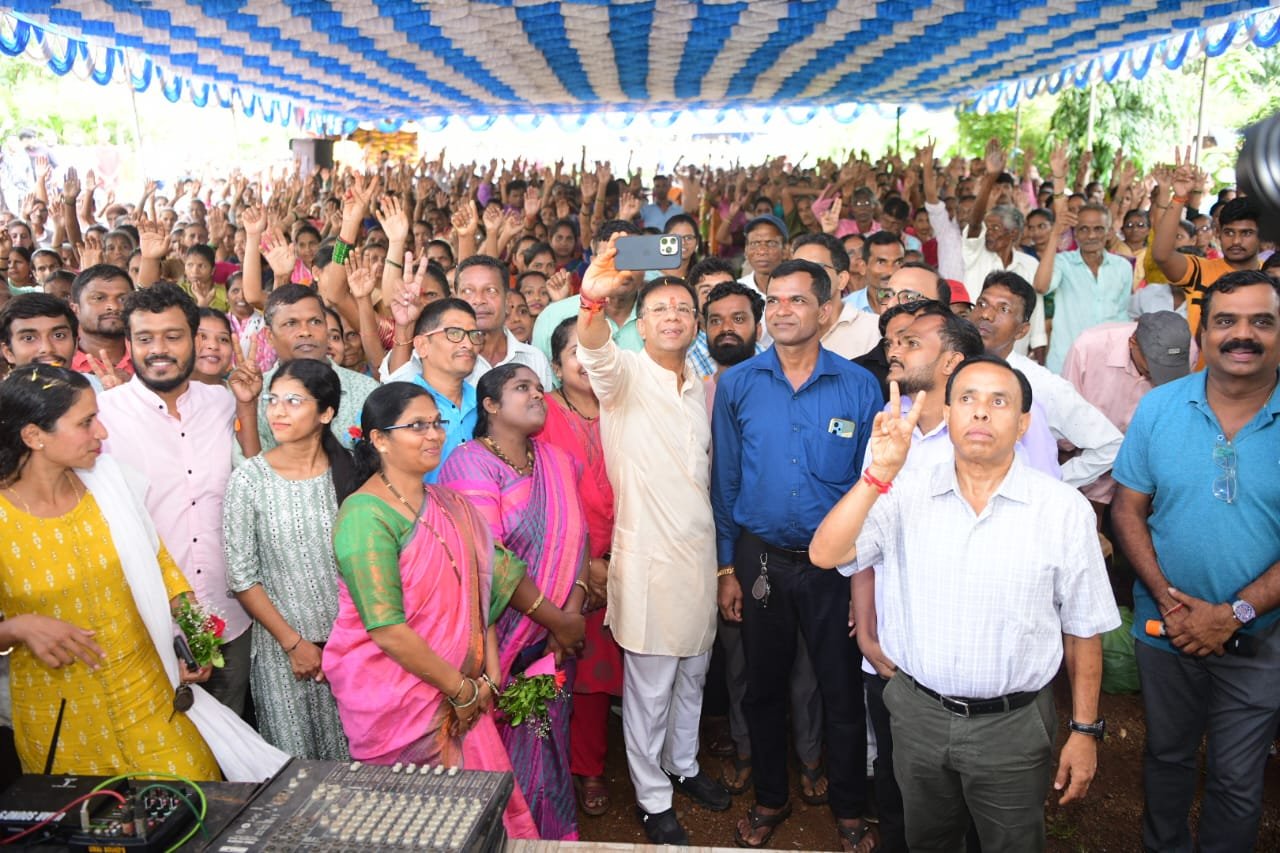
Vishwajit Rane has consistently placed emphasis on strengthening basic infrastructure in the Sattari region, recognising its importance for economic activity, mobility, and quality of life. The region, characterised by hilly terrain and scattered habitations, has long faced challenges related to internal connectivity and monsoon-related disruptions. Addressing these concerns, infrastructure development has been positioned as a key priority to support both residents and local livelihoods.
Upgradation and Concretisation of Internal Village Roads
One of the central focus areas under Rane’s leadership has been the improvement of internal village roads across Sattari. Several roads connecting villages and hamlets have been upgraded and concretised to ensure durability and year-round usability. These roads play a crucial role in linking remote habitations to markets, schools, healthcare facilities, and administrative centres. Improved road infrastructure has also helped reduce travel time and enhanced overall accessibility for residents.
Benefits for Farmers and Remote Hamlets
The upgraded road network has had particular significance for farmers, who depend on reliable transport to move agricultural produce, access inputs, and reach marketplaces. For remote hamlets, improved connectivity has reduced isolation, especially during the monsoon months when earlier road conditions often became difficult to navigate. Officials note that better internal roads contribute to smoother supply chains and improved access to essential services.
Strengthening Drainage Systems to Address Monsoon Challenges
In addition to road works, efforts have been made to enhance drainage infrastructure across several villages in Sattari. Poor drainage has historically led to waterlogging during heavy rainfall, affecting roads, residential areas, and agricultural land. Improved drainage systems aim to ensure efficient water flow, minimise damage to road surfaces, and reduce disruptions caused by flooding during the monsoon season.
Improving Year-Round Connectivity and Safety
The focus on both road quality and drainage has been aimed at ensuring year-round connectivity and safer travel conditions. Concretised roads are better suited to withstand heavy rainfall and frequent use, while effective drainage helps preserve road integrity. Together, these measures contribute to more reliable infrastructure, reducing the need for repeated repairs and improving long-term sustainability.

Role of Infrastructure in Regional Development
Infrastructure development in regions like Sattari is widely regarded as a foundation for broader socio-economic progress. Improved connectivity supports local businesses, enables better access to education and healthcare, and enhances opportunities for tourism and allied activities. By addressing basic infrastructure gaps, the initiatives seek to create conditions conducive to balanced regional development.
Administrative Coordination and Implementation
Officials involved in the execution of these projects have highlighted the importance of coordination between local bodies, engineering departments, and community representatives. Project planning has taken into account local terrain, rainfall patterns, and usage requirements to ensure that infrastructure investments meet practical needs on the ground.
Looking Ahead: Continued Focus on Core Amenities
The emphasis on village roads and drainage reflects a broader approach to governance that prioritises essential amenities. As infrastructure demands continue to evolve, further assessments are expected to guide future projects in the region. Authorities indicate that monitoring and maintenance will remain key to ensuring that completed works continue to deliver intended benefits over time.
Conclusion
Vishwajit Rane’s continued focus on improving basic infrastructure in Sattari highlights the role of targeted development initiatives in addressing long-standing regional challenges. By strengthening internal connectivity and addressing monsoon-related issues through improved drainage, these efforts contribute to enhanced mobility, resilience, and quality of life for residents across the region.