


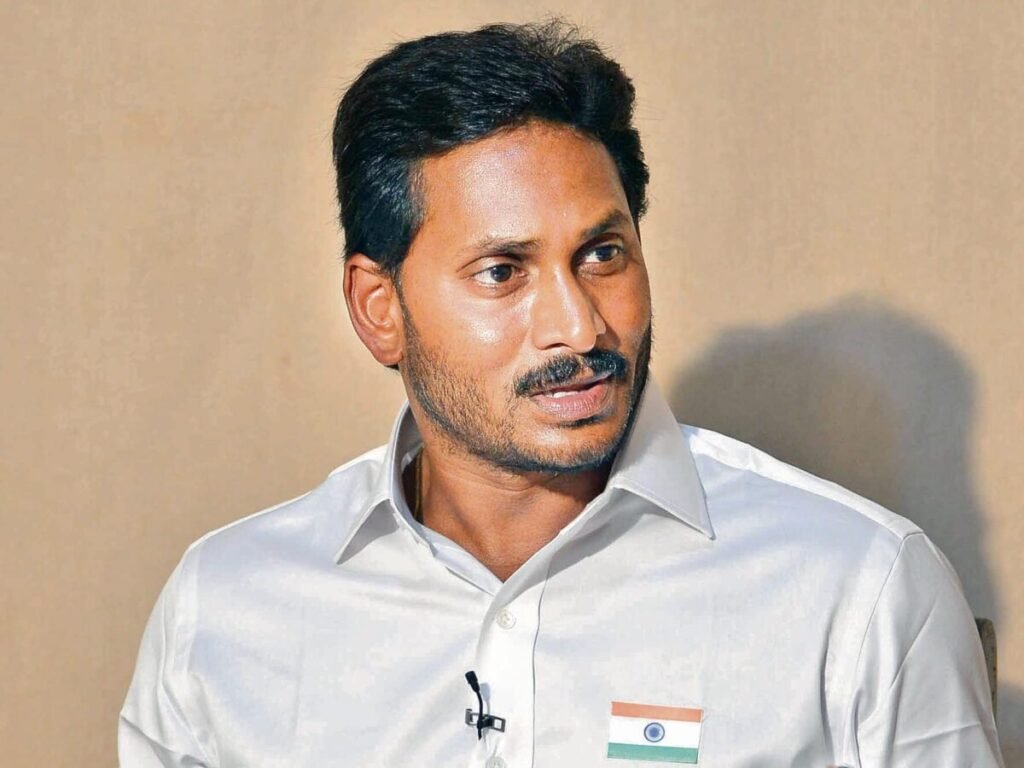
A fresh political and public health debate has emerged in Andhra Pradesh after Jagan Mohan Reddy questioned the TDP government and Chief Minister N. Chandrababu Naidu over a series of alarming incidents reported across government-run hostels. According to data highlighted by Jagan, 29 students have reportedly died and hundreds have been hospitalised over the last 18 months due to contaminated water and unhygienic food supplied to hostels.
The issue has sparked significant concern among parents, welfare associations, and public health experts as questions arise regarding oversight failures and the state’s campus safety standards.
Background: Rising Health Incidents in Hostels
Reports from various districts indicate a pattern of widespread contamination in drinking water sources, poorly maintained water tanks, and lack of regular quality testing across government hostels. Many cases involved severe dehydration, diarrhoea, infections, and food poisoning among students belonging largely to socially and economically vulnerable families.
In the last year and a half, medical records and district-level monitoring reports have pointed to repeated outbreaks of gastrointestinal illness in multiple hostels. The most disturbing aspect, according to Jagan, is that several of these incidents were preventable had proper safety protocols been followed.
Jagan’s Questions to the TDP Government
During his statement, Jagan Mohan Reddy questioned how such severe lapses could occur under the administration of Chief Minister Chandrababu Naidu, especially when student welfare falls under the core responsibilities of the state. He pointed out that:
- 29 students lost their lives in 18 months, allegedly due to contaminated water and food.
- Hundreds of children were hospitalised, with many requiring prolonged treatment.
- Repeated warnings from parents and welfare organisations were reportedly ignored.
- Inspections were irregular, and corrective measures were delayed or inadequate.
Jagan emphasised that the safety of students residing in government hostels cannot be compromised and demanded complete transparency from the government regarding the cause of deaths and hospitalisations.
Government Response and Administrative Accountability
While the state government has initiated district-level reviews, critics argue that the response has been reactive rather than preventive. Questions remain about the monitoring mechanism for water quality, food procurement, hygiene inspections, and the accountability of hostel wardens and district welfare authorities.
Health officers in some districts acknowledged lapses in water tank cleaning schedules and the shortage of staff responsible for maintaining hygiene. However, families of affected students continue demanding a comprehensive inquiry and compensation.
Public Health Concerns and Systemic Gaps
Experts warn that the incidents reflect deeper systemic failures. The problems include inadequate maintenance budgets, lack of periodic water quality checks, and insufficient training of hostel staff. In several cases, students consumed water directly from contaminated borewells or poorly maintained storage tanks.
Child rights activists have called for upgrading hostel infrastructure, establishing real-time monitoring of water quality, and appointing dedicated health supervisors for all residential welfare hostels.
Political and Public Reactions
Jagan’s remarks have drawn support from student unions and social welfare groups who argue that the issue transcends politics and involves the basic right to safe living conditions. The TDP government has been urged to publish detailed reports on the incidents and outline steps being taken to prevent further loss of life.
The matter is expected to remain at the forefront of political and policy debates in the coming months as pressure builds on the state administration to enhance hostel safety standards.
With 29 reported student deaths and hundreds falling ill, the issue has evolved into a major public health and governance concern. Jagan Mohan Reddy’s questions have brought renewed attention to lapses in the system, calling for accountability, transparency, and immediate structural reforms to safeguard students living in government hostels.