











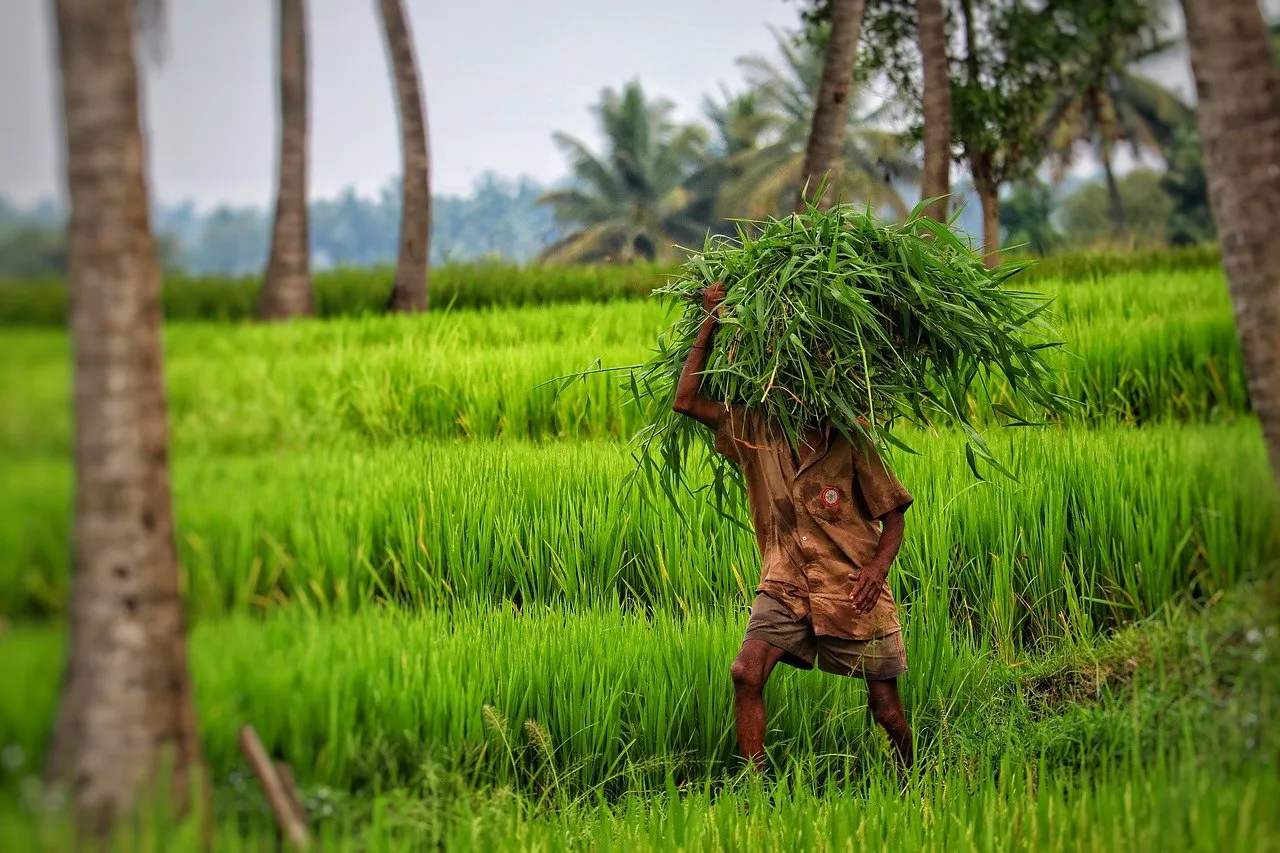
Paddy farmers across Andhra Pradesh are facing an unexpected post-harvest crisis as high moisture levels in their grain threaten both market value and procurement eligibility. With moisture readings rising to 20–26%, well above the permitted 17%, growers are unable to sell their produce without suffering significant price cuts. Even though recent cyclones spared the standing crop from large-scale damage, the persistent cloudy weather and high humidity have created an equally serious challenge during the critical procurement phase.
The Kharif procurement season, which typically sees steady movement of stocks to government centres, has slowed to a crawl. Farmers across districts complain that insufficient sunlight and inadequate drying facilities have left them stranded with heaps of harvested grain exposed to the elements. For many, the fear of financial losses grows with each passing day.
Cyclone Residue Effect: Cloudy Skies and High Humidity Block Drying
The lingering effects of Cyclone Ditwah and Cyclone Montha have played a major role in the current disruption. While both systems did not severely damage paddy fields, they kept the atmosphere saturated, preventing the natural drying process essential for machine-harvested grain.
Farmers report that even after spreading paddy on tarpaulins for several days, moisture levels are barely reducing. Weather patterns remain unstable, with sunlight breaking through only intermittently. This has forced farmers to delay procurement or explore distress-sale options, neither of which provides financial relief.
Makeshift Drying Grounds Reflect the Scale of the Crisis
In urban and semi-urban belts around Vijayawada—particularly near the West Bypass, Inner Ring Road, and surrounding villages—farmers have transformed long stretches of roadside into temporary drying zones. Tarpaulins line the roads as growers guard their grain day and night, hoping for sunlight strong enough to bring down moisture content.

This makeshift solution, while necessary, has created logistical and safety challenges. Farmers report that the lack of access to large-scale drying yards or mechanical dryers leaves them with no alternative but to use open spaces.
Rising Costs and Falling Prices Intensify the Financial Burden
A typical paddy farmer invests nearly ₹25,000 per acre for crop cultivation, followed by ₹3,000–₹4,000 for machine harvesting. The additional labour costs now required solely for drying the grain are adding further financial strain.
Many farmers say middlemen are exploiting the crisis, citing moisture levels and offering rates that are ₹300 lower per quintal. In several areas, moisture-heavy BPT varieties have already been sold at distress prices as low as ₹1,400 per quintal, far below government procurement benchmarks.
Officials continue advising farmers not to sell offline, but growers say they are left with little choice given the urgency of clearing wet stocks before they deteriorate.
Fear of Pest Infestation Adds to Farmers’ Anxiety
With grain lying exposed along roadsides and open fields, there is growing concern about pest infestation and spoilage. Some farmers have reported early signs of damage, prompting fears that further delays in procurement may reduce entire heaps to unsellable quality.
Agricultural experts warn that prolonged exposure to humidity can trigger fungal growth, leading to complete rejection of the produce at procurement centres.
Procurement Delays Highlight Infrastructure Gaps
Though procurement centres across Andhra Pradesh have begun operations, the pace remains slow. Weather disruptions have created bottlenecks, and farmers say that moisture checking at centres is strict but drying support is minimal.
The crisis has highlighted longstanding infrastructural gaps:
- Limited availability of government drying yards
- Lack of mechanical paddy dryers at the village level
- Inadequate storage facilities
- Delayed procurement schedules
- Minimal transportation support during climate disruptions
For many growers, this season has reinforced the need for robust post-harvest systems that can withstand weather fluctuations.
Looking Ahead: Farmers Hope for Clear Skies and Faster Procurement
With weather forecasts showing gradual improvement, farmers across Andhra Pradesh are hoping for a few days of uninterrupted sunlight. For most, this is the only way to reduce moisture levels enough to secure stable procurement prices.
Agricultural bodies and local associations are urging authorities to expedite procurement, deploy mobile dryers, and offer temporary support to prevent distress sales.
As the season progresses, the state’s response will be crucial in determining whether farmers can recover their investment or bear the brunt of yet another climate-induced agricultural setback.