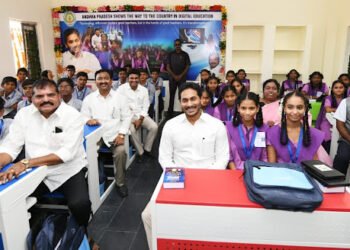











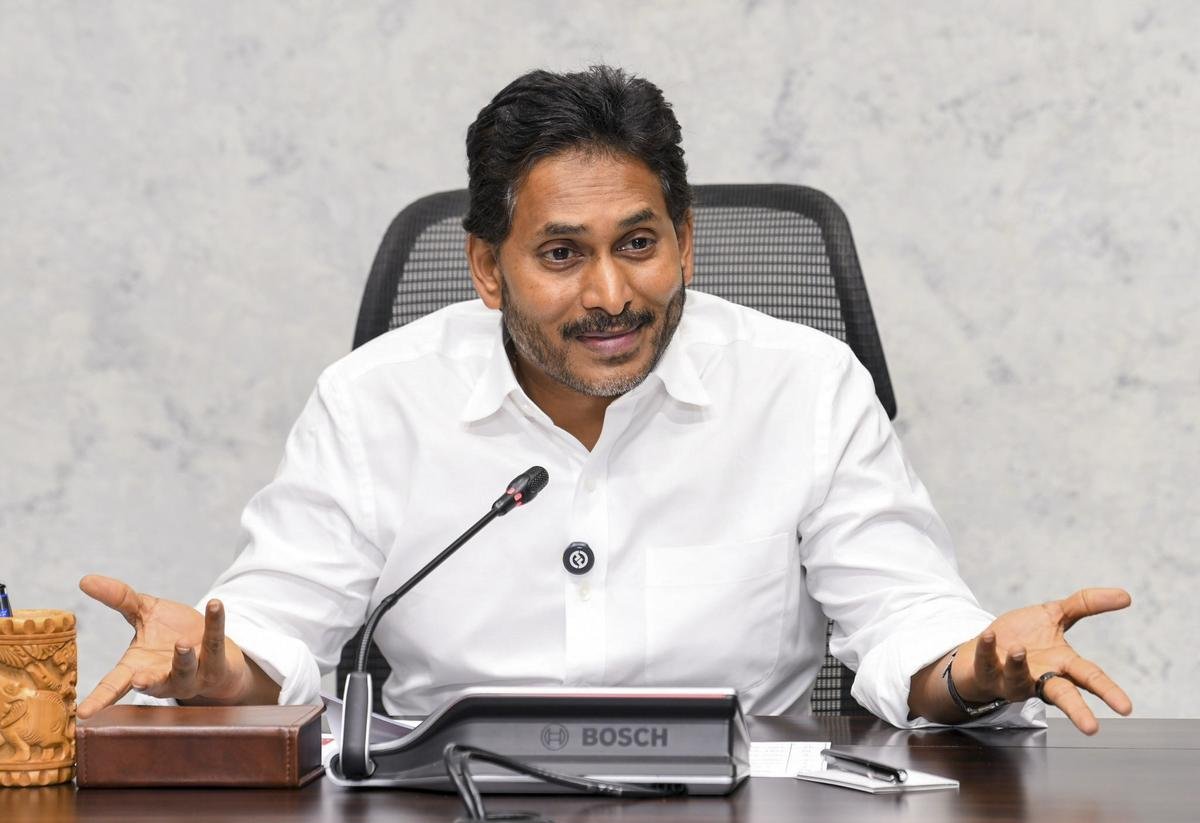
YSRCP supremo YS Jagan Mohan Reddy has raised significant concerns over the state of farmer welfare in Andhra Pradesh, alleging that the current coalition government led by Chief Minister N Chandrababu Naidu has failed to offer adequate relief amid repeated natural calamities. Addressing the media at the YSRCP central office in Tadepalli, Jagan outlined what he termed severe lapses in crop insurance distribution, input subsidy payments, and disaster preparedness.
Natural Calamities and Insufficient Crop Protection
According to Jagan, Andhra Pradesh witnessed 17 natural calamities in the 19 months of the present NDA coalition government. These included cyclones, heavy rainfall events, and widespread crop damage that directly impacted millions of farmers. Despite the scale of devastation, he stated that the government provided crop insurance to only 19 lakh farmers out of 84 lakh, leaving a vast majority without any financial protection.
Jagan emphasised that timely crop insurance is not merely a welfare gesture but a critical safety net. He argued that the state’s failure to extend support to the remaining farming population had deepened rural distress. In his view, the absence of a structured and responsive relief mechanism has pushed many cultivators into unsustainable levels of economic vulnerability.
Delayed Input Subsidies and Neglect of Tenant Farmers
The YSRCP chief further alleged that input subsidies, which serve as immediate assistance following crop losses, were severely delayed. These delays have reportedly affected sowing cycles, procurement plans, and the ability of farmers to recover quickly from adverse events.
In particular, tenant farmers — who often operate without formal land ownership — were “left in a pitiable state,” Jagan said. He highlighted the need for tenant-friendly policies and transparent subsidy channels to ensure that those who depend entirely on seasonal cultivation are not excluded from relief measures.

Comparing Present Governance with Previous Approach
Jagan contrasted the current administration’s approach with that of the previous YSRCP government (2019–2024), noting that 62 percent of the state’s population depended on agriculture during his tenure. He reiterated that his government had prioritised farmer welfare, ensuring timely financial assistance, crop procurement support, and disaster relief.
He argued that the present system has allowed agriculture — traditionally seen as a festival and a celebration of livelihood — to become “a burden” on the farming community due to policy delays and administrative lapses.
Impact of Market Failures and Crop-Specific Losses
The YSRCP leader drew attention to severe market distortions affecting several major crops. He stated that bananas were selling at ₹0.50 per kg, a price collapse that has pushed farmers into unprecedented distress. Further, crops such as paddy, coconut, cotton and others have been affected, according to his remarks.
Jagan alleged that even with advance warnings of cyclones and harvest-ready crops in multiple districts, the government failed to mitigate losses. He called this a “disastrous manner of governance,” underscoring the need for proactive measures such as pre-cyclone harvesting support, local procurement mechanisms, and strengthened price stabilisation interventions.
A Call for Accountability and Farmer-Centric Governance
Concluding his address, YS Jagan Mohan Reddy urged the state government to adopt a more responsible and structured approach towards disaster management and farmer support. He emphasised that agriculture remains the backbone of Andhra Pradesh’s economy and must be protected through robust insurance mechanisms, market interventions, and timely financial assistance.
For millions dependent on farming, Jagan’s remarks highlight not only the current gaps but also the urgent need for systemic reform in crop protection and disaster response frameworks.