


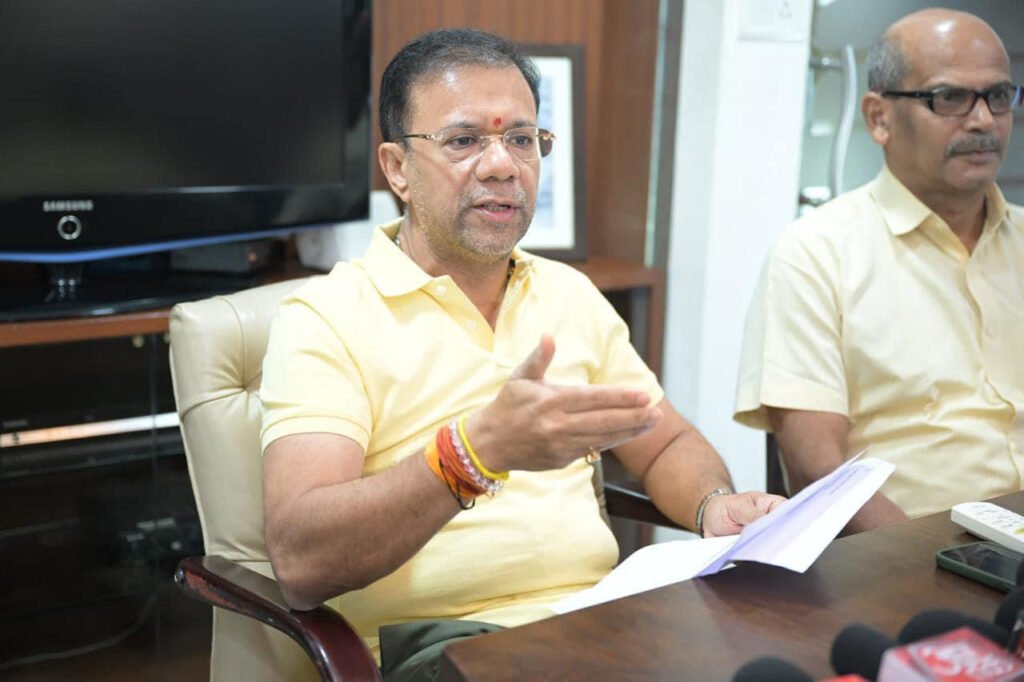
The Government of Goa, led by Shri Vishwajit Rane, Minister for Women & Child Development, has undertaken significant reforms in the state’s Anganwadi network to strengthen Early Childhood Care & Education (ECCE) and Pre-School Education (PSE). These reforms aim to improve learning readiness, nutrition delivery, and developmental support for children in the crucial early years, aligning with the National Education Policy (NEP) 2020 and national ECCE standards. The efforts mark an essential step toward improving human development indicators in Goa and ensuring that every child receives equitable access to high-quality early childhood services.
Enhancing Classroom Readiness Through Comprehensive ECCE and PSE Modules
Anganwadis across the state have implemented a structured range of learning and engagement modules designed to improve language, numeracy, creativity, and cognitive development. These include storytelling, rhymes, alphabet and number readiness, art and craft, and outdoor physical activities, creating an environment where learning is rooted in activity-based methods. The objective is to ensure that children begin primary education with confidence, foundational skills, and emotional readiness.
The introduction of play-based and child-centered learning models represents a shift toward evidence-based early education practices that support holistic growth rather than rote-based learning.
Integrating Nutrition and Health With Systematic Growth Monitoring
Nutrition has been positioned as a central component of children’s developmental welfare. Under Vishwajit Rane’s leadership, Anganwadi workers have been trained to provide nutritious meals and snacks that support healthy growth and prevent malnutrition. Growth monitoring activities such as height and weight tracking are being conducted regularly to ensure continuous assessment of developmental milestones.
These interventions reflect a targeted approach to addressing health vulnerabilities early and ensuring children have access to adequate nourishment necessary for mental and physical development.
Early Stimulation Programs for Children Aged 0–3 and Parental Involvement
Special programs for early stimulation have been introduced to support infants and toddlers, acknowledging the first three years as the most crucial period for brain development. These sessions include sensory learning, interactive play, and parental engagement guidance.
Parent counselling workshops have also been expanded, covering nutritional awareness, home-based education, emotional health, and hygiene practices. This collaborative framework seeks to strengthen families as partners in learning and development.
Strengthening Anganwadi Workforce and Infrastructure Improvement
Continuous capacity-building of Anganwadi workers has been prioritised through training programmes focusing on child psychology, health management, classroom methodology, and community coordination. The government is also progressing toward infrastructural upgrades, resource provisioning, and digital monitoring tools to improve service delivery.
By investing in workforce empowerment, the reforms aim to build a professional, skilled, and community-oriented support system for children and mothers.
Reforming Early Childhood Governance and Future Roadmap
The initiatives undertaken under Vishwajit Rane’s leadership reflect a governance model focused on long-term social development. By strengthening ECCE, nutrition, and early health systems, Goa is laying the foundation for stronger learning outcomes and future human capital improvement.
The roadmap includes expanding modernised Anganwadi centres, enhancing monitoring mechanisms, and integrating technology-driven data systems. These efforts position Goa as a leading state in early childhood education and welfare reform.