








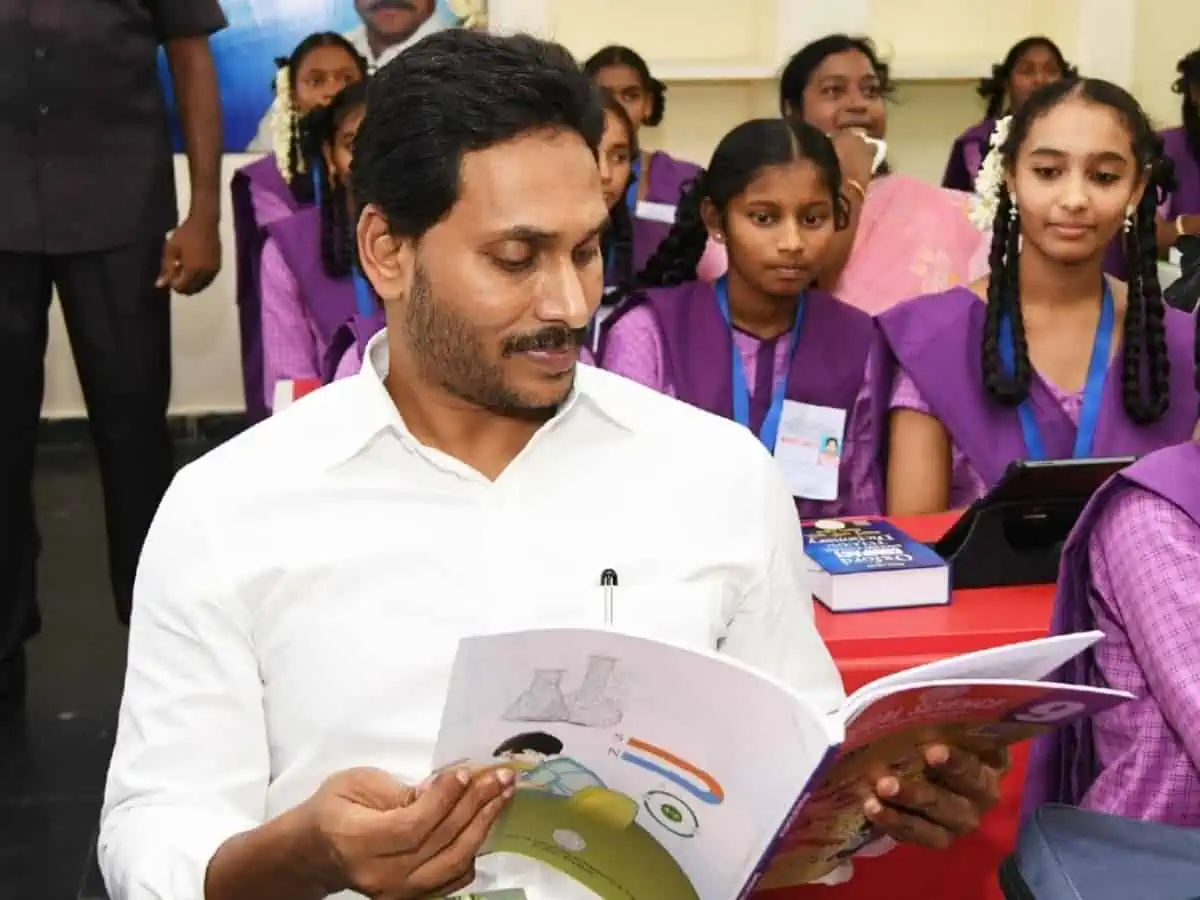
In a decisive and strongly people-centered movement unfolding across Andhra Pradesh, YS Jagan Mohan Reddy has emerged as the leading voice opposing the privatization of government medical colleges. Calling it a direct threat to affordable medical education and public health, Jagan has mobilized lakhs of citizens through a one crore signature campaign, transforming the issue into a massive democratic movement. The initiative has already gained significant traction across districts, signaling strong public resistance against policies that could shift critical public institutions into private hands.
The signature campaign marks one of the largest public participation efforts in the recent political landscape of Andhra Pradesh. Local medical students, teachers, health workers, youth organizations, and community groups have joined the movement, highlighting deep concerns about the long-term consequences of privatizing government medical institutions. The campaign is rapidly expanding at the grassroots level, reflecting broad consensus that public healthcare cannot be commercialized.
Growing Public Concern Over Privatization and Its Impact on Affordable Medical Education
The announcement of plans to privatize government medical colleges triggered widespread apprehension in the state, particularly among families aspiring to medical careers and communities dependent on public health services. YS Jagan Mohan Reddy, who significantly expanded medical education infrastructure during his tenure by establishing multiple new government medical colleges and increasing MBBS seat allocation, has emphasized that privatization would effectively restrict opportunities for students from middle-class, poor, and rural backgrounds.
According to Jagan, “Access to medical education must remain a right, not a privilege reserved for those who can afford high fees.” He expressed deep concern that shifting control to private players would inevitably lead to steep fee hikes, diminished reservation structures, and reduced accessibility for underprivileged communities. His argument has found wide support among students who fear that private institutions will prioritize financial profit over educational equity.
Many parents and educators have voiced anxiety that privatization will dismantle years of progress made towards inclusive and affordable education. With an increasing number of students from rural families gaining entry into government medical colleges in recent years, the proposed change is seen as a regressive step that threatens to widen the socio-economic gap.

Strengthening the Public Healthcare System: A Core Reason Behind the Protest
One of Jagan’s central concerns is the impact privatization could have on the state’s public healthcare network. Government medical colleges are deeply integrated with public hospitals that serve millions of citizens daily. These hospitals provide emergency care, maternal and child health services, trauma treatment, and specialized medical interventions at minimal or no cost. Experts warn that privatization could weaken this vital system by prioritizing profitability over service.
Healthcare professionals participating in the campaign argue that public hospitals linked to government colleges act as a major lifeline, particularly for low-income families unable to afford private hospital costs. Jagan reiterated that government institutions must remain accountable to people rather than function like commercial enterprises. He emphasized the ethical responsibility of the state to protect essential public services: “Healthcare cannot be treated as a business. It is a fundamental necessity, and the government must safeguard it.”
This perspective reflects global studies showing that privatization often leads to reduced accessibility, increased patient expenditure, and compromise in rural service delivery. In a state where healthcare accessibility remains uneven across regions, weakening the public system may significantly worsen existing inequalities.
Massive People’s Mobilization Through One Crore Signature Campaign
The signature campaign launched by YS Jagan Mohan Reddy is emerging as a large-scale democratic exercise, with thousands of volunteers actively collecting public responses from villages, towns, municipal regions, and student communities. Across educational institutions, signature counters have been set up, and awareness marches are being organized to ensure informed public participation.
The campaign is turning into a statewide movement involving diverse stakeholders including doctors, nursing students, paramedical trainees, farmers, labor groups, and urban residents. District-level committees have been formed to coordinate signature submissions and ensure decentralized engagement. Volunteers report overwhelming support from households who view privatization as a direct threat to future generations.
Once completed, the compiled signatures will be formally submitted to constitutional authorities, demanding a transparent reassessment and reversal of the privatization agenda. The peaceful and organized nature of the movement underscores the democratic framework championed by YS Jagan, who repeatedly insists that major policy decisions cannot be taken without public consultation.
Call for Transparency, Accountability, and Policy Review
Jagan has strongly questioned the lack of clarity surrounding financial structures, fee models, and operational responsibilities in the privatization proposal. He demanded that the government publicly release details outlining the rationale behind the decision, the terms of private participation, and long-term commitments to service guarantees. Concerns have also been raised about possible favoritism and private-interest influence in the decision-making process.
Jagan warned that without accountability mechanisms, privatization could lead to unpredictable fee structures and loss of government oversight. He called for an expert committee review with full public disclosure, student representation, and consultation with the medical community before any policy decision is finalized. His appeal stresses democratic transparency rather than political confrontation.
Jagan’s movement has become a platform that unites people beyond party boundaries, framing the debate within the context of social responsibility and developmental priorities. He stated clearly that this struggle is not about politics but about protecting public interest and ensuring sustainable, equitable development.
A Movement Focused on the Future of Healthcare and Education in Andhra Pradesh
The protest led by YS Jagan Mohan Reddy represents a larger debate on the future of welfare governance in Andhra Pradesh. His supporters see the movement as a continuation of his people-first administrative philosophy, which emphasized public education, healthcare expansion, and accessibility for all.
As momentum continues to grow, the coming weeks are expected to shape the policy direction surrounding medical education and healthcare delivery in the state. The outcome of this struggle may influence national discussions on privatization and public sector responsibility.
YS Jagan’s concluding message to citizens reflects the core of this movement:
“We will continue this peaceful democratic fight until the decision is reversed and public welfare is secured. The future of our students and the health of our people cannot be compromised.”