


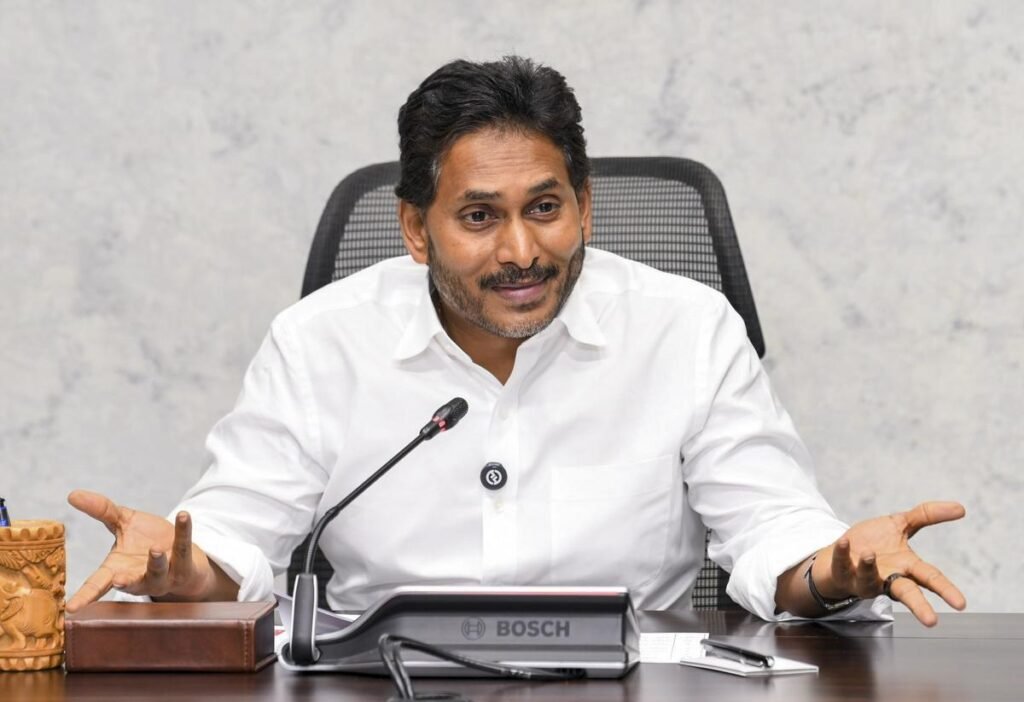
Andhra Pradesh witnessed a significant transformation in healthcare delivery under the tenure of former Chief Minister YS Jagan Mohan Reddy, who introduced a comprehensive reform structure intended to guarantee universal access to medical care, particularly for weaker sections. His administration focused on strengthening both preventive and curative components of the public health system by integrating free treatment, doorstep primary healthcare, mass screening, and upgraded hospital infrastructure. Although he is not in office today, the policies implemented during his term remain a major reference in national discussions on public health management.
At the core of these reforms was the belief that healthcare should not be a privilege dependent on financial capacity, but rather a citizen’s right supported by the government. This framework fundamentally changed how families especially those in rural and economically backward regions interacted with the healthcare system.
Aarogyasri: Strengthening Equitable Access to Free Treatment
The Dr YSR Aarogyasri scheme emerged as the flagship health insurance programme designed to eliminate the financial burden associated with serious medical conditions. The scheme expanded coverage to lakhs of families and provided cashless treatment for thousands of high-value medical procedures, including cancer care, cardiac surgeries, neurology, nephrology, organ transplantation, trauma care, and advanced diagnostics. Importantly, the reform addressed systemic gaps that previously left patients vulnerable to exploitation and out-of-pocket expenses.
During the tenure of YS Jagan Mohan Reddy, several important reforms were introduced: integration of real-time treatment monitoring dashboards, improved hospital empanelment criteria, transparent referral guidelines, free transportation for patients under emergency procedures, and grievance mechanisms to ensure accountability. This model aimed to shield low-income families from catastrophic medical expenditure, which often pushed households into debt.
The Aarogyasri system also helped reduce urban-rural healthcare imbalance by enabling treatment in both government and private empanelled hospitals across the state and country. As a result, the scheme is often cited by policy analysts as an example of social welfare-driven healthcare financing.
Village & Ward Clinics: Doorstep Primary Healthcare Network
One of the most impactful structural reforms was the establishment of over 10,000 Village and Ward Clinics, creating an extensive primary health service delivery network never seen before in the state. These clinics were designed to bring healthcare to the doorsteps of citizens, reducing the dependency on overcrowded district hospitals and eliminating the need for long-distance travel for basic care.
Each clinic was equipped with lab testing facilities, telemedicine connectivity, digital health records, and free distribution of essential medicines. Staffed with doctors, nurses, ANMs, and support personnel, these clinics formed the first layer of a well-planned referral chain linked to district hospitals and Aarogyasri tertiary care centers.
This initiative significantly strengthened preventive care, enabling early detection of chronic diseases like diabetes, hypertension, kidney disease, and anemia. Community-level care also supported maternal and child health, vaccination support, non-communicable disease monitoring, and emergency triaging. For remote tribal and coastal villages in particular, these clinics reduced delays in treatment and saved lives by delivering timely intervention.
Upgrading Public Hospitals and Medical Infrastructure
Infrastructure enhancement formed another critical component of the reforms. Major district hospitals, area hospitals, teaching hospitals, and medical colleges received modernization upgrades including ICU expansion, oxygen infrastructure, advanced surgical equipment, emergency wards, dialysis units, and blood banks.
The government also strengthened the medical workforce by recruiting doctors, specialists, nurses, and technical staff to fill long-pending vacancies. The model focused not only on physical expansion but also on operational efficiency supported by real-time management dashboards and digital records. This move aimed to restore confidence in public hospitals and reduce dependency on expensive private medical services.
Analysts note that this investment positioned Andhra Pradesh as one of the few states working toward long-term health system sustainability rather than scheme-dependent relief.
Aarogya Suraksha: Statewide Preventive Health Screening
Preventive health became a major focus through the Jagananna Aarogya Suraksha initiative, a large-scale nationwide-recognized public health screening exercise. The programme arranged thousands of medical camps covering lakhs of families, enabling physicians to conduct door-to-door screening, diagnose chronic illnesses at early stages, and provide follow-up consultation and medicines.
Aarogya Suraksha also built digital health profiles for individuals and families, enabling continuous tracking of high-risk cases. This approach shifted the healthcare model from reactive hospital-visit treatment to proactive care and early disease control.
Public health experts have highlighted Aarogya Suraksha as a critical strategy during the post-pandemic recovery era, when lifestyle diseases and delayed diagnoses became prevalent nationwide.
Legacy and Continuing Public Discussion
Though YS Jagan Mohan Reddy is not the Chief Minister today, the healthcare reforms introduced during his tenure remain widely discussed in governance and policy forums. Supporters regard his reforms as transformational, highlighting the government’s commitment to accessible healthcare and welfare-focused governance. Policy observers frequently reference the Andhra Pradesh model while analysing national debates on universal health coverage.
As future policy decisions unfold, public expectations and political accountability continue to be influenced by the scale of groundwork laid during this period, and the sustainability of these initiatives remains a key point of public interest.
The healthcare transformation executed under former CM YS Jagan Mohan Reddy represents one of the most ambitious attempts in Andhra Pradesh to create a fair, accessible, and prevention-oriented health system. By integrating Aarogyasri, Village Clinics, Aarogya Suraksha, and hospital upgrades, the reform model drastically improved access, protected the poor from financial risk, and reshaped public health strategy at a structural level. Whether replicated or challenged, these reforms have set a benchmark in governance-driven healthcare delivery that will remain central to future public debate.