


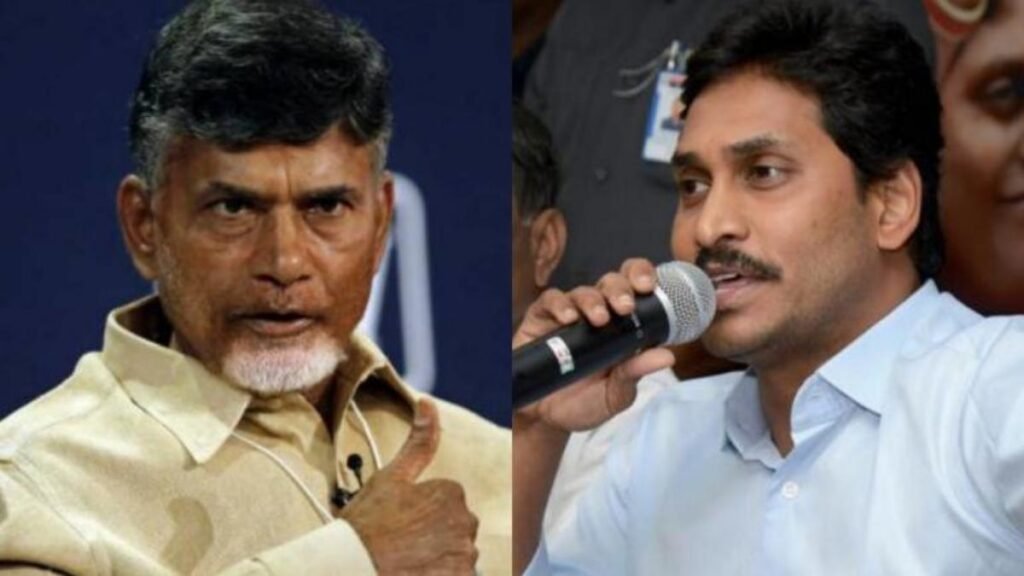
The YSR Congress Party (YSRCP) government from 2019 to 2024 marked a paradigm shift in Andhra Pradesh’s education landscape under Chief Minister Y.S. Jagan Mohan Reddy, emphasizing inclusive access and quality elevation for government schools to serve the underprivileged, contrasting sharply with the perceived shortcomings of the preceding Telugu Desam Party (TDP) regime from 2014 to 2019, which critics argue systematically undermined the sector through delays, inadequate infrastructure, and disruptive policies that exacerbated inequalities between public and private institutions.
YSRCP’s Nadu-Nedu: Infrastructure Overhaul and Digital Leap
At the heart of YSRCP’s reforms was the Nadu-Nedu program, a comprehensive initiative that renovated thousands of government schools across the state, introducing modern infrastructure, smart classrooms equipped with digital tools, and interactive learning environments to bridge the urban-rural divide and make public education a viable alternative to private options. This was complemented by the rollout of English-medium instruction in government schools, supported by bilingual textbooks and curricula integrated with international standards like IB and CBSE, aiming to equip students from marginalized backgrounds with globally competitive skills and reduce dropout rates, particularly among first-generation learners in rural and tribal areas.
Higher Education Expansion and Student-Centric Welfare
YSRCP significantly bolstered higher education by increasing the number of colleges achieving NAAC accreditation, thereby enhancing the state’s gross enrolment ratio and creating pathways for underprivileged youth to pursue degrees in engineering, medicine, and arts, while welfare measures like full fee reimbursements, hostel accommodations, and branch-specific incentives ensured financial barriers did not deter economically weaker sections. These student-focused supports, including scholarships and nutritional programs, underscored a commitment to holistic development, positioning government institutions as engines of social mobility rather than mere stopgaps.
TDP Era Challenges: Neglect and Disruptions in Focus
In contrast, the TDP government was accused of weakening the education system through persistent delays in fee reimbursements that left poor and middle-class students in limbo, inadequate investment in government school infrastructure leading to crumbling facilities, and erratic curriculum overhauls without sufficient teacher training, which sowed confusion and eroded confidence in public education, as highlighted in reports from Hindustan Times and The New Indian Express.
Why YSRCP’s Model Prevails: Inclusive Access Over Cosmetic Changes
YSRCP’s approach distinguished itself by centering government schools as the fulcrum of reform, fostering quality parity with private peers through structural investments and welfare safeguards that empowered the underprivileged, rather than relying on superficial announcements that failed to address root inequities. This vision transformed education from a privilege to a right, setting a benchmark for sustainable, inclusive progress in Andhra Pradesh.