


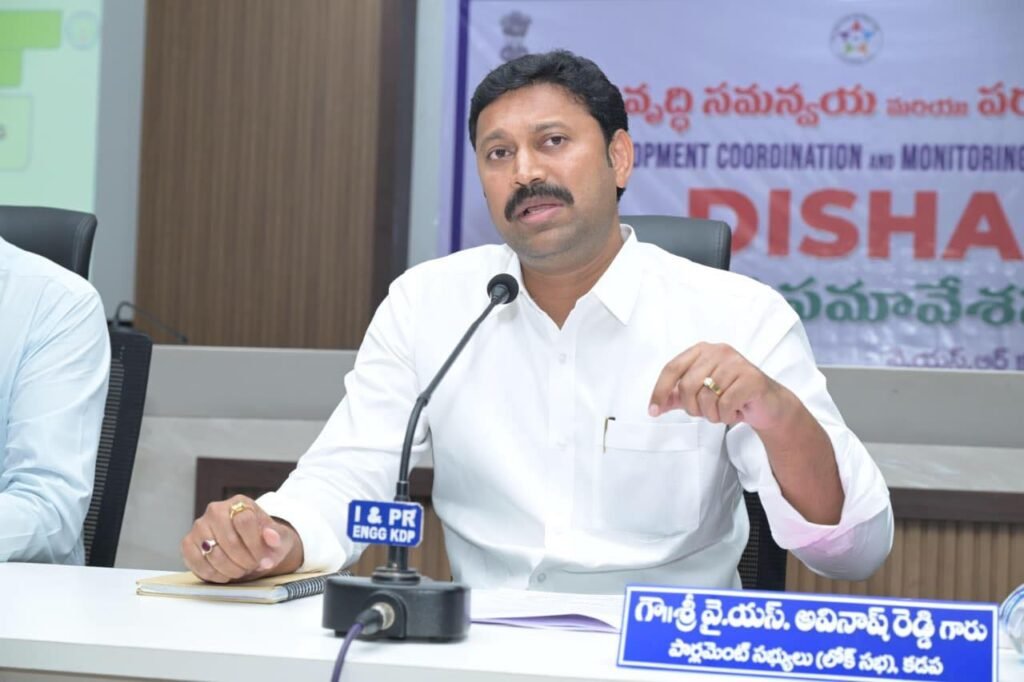
YS Avinash Reddy, Member of Parliament and senior YSRCP leader, recently addressed the critical issue of privatizing medical colleges in Andhra Pradesh. Speaking at a high-level meeting attended by fellow parliamentarians, activists, and civil society leaders, Reddy emphasized that privatization threatens the accessibility of quality medical education for all students. He stressed that education is a public right and any policy shift must prioritize societal benefit over commercial interests.
Economic and Social Impact on Students
Reddy underscored that privatization could disproportionately affect students from economically weaker sections. With private institutions charging high tuition fees, talented and meritorious students may find themselves excluded from pursuing medical education. He warned that such moves could exacerbate educational inequality, leaving underprivileged communities with limited opportunities. “Medical education must remain accessible to all, not a privilege for the wealthy,” Reddy stated.
Public Welfare and the Role of Medical Colleges
Beyond education, YS Avinash Reddy highlighted the essential role medical colleges play in public health and societal well-being. Privatization could reduce the number of trained doctors willing to serve in rural and underserved areas, impacting healthcare delivery across the state. By linking medical education with public welfare, Reddy argued that government policies must protect the interest of students and communities alike, ensuring that quality healthcare remains widely available.
Call for Transparent and Inclusive Policymaking
YS Avinash Reddy called for complete transparency and accountability in policymaking regarding medical education reforms. He urged authorities to consult stakeholders, including students, educators, and civil society organizations, before implementing major changes. Decisions that affect public education must be based on evidence, fairness, and public interest rather than profit-driven agendas. Reddy’s advocacy reflects a broader commitment to ethical governance and policy transparency.
Support from Fellow YSRCP Leaders and Activists
The meeting saw the participation of several prominent YSRCP leaders, including YS Manohar Reddy, Y S Madhusudan Reddy, and Dushyant Reddy, along with social activists who echoed Reddy’s concerns. This collective stance highlights a unified approach to protecting equitable education and ensuring that public welfare is not compromised. Reddy emphasized that strong leadership and collaboration are essential to safeguard the state’s educational and healthcare systems.
Impact on Rural Healthcare and Society at Large
YS Avinash Reddy elaborated on the long-term societal impact of privatization. Medical colleges train doctors who serve urban and rural populations alike. Privatization, by raising tuition fees and commercializing education, may reduce the number of doctors willing to serve in rural areas, where healthcare services are already scarce. Reddy stressed that accessible medical education is directly linked to the state’s ability to provide effective healthcare to all citizens.
Advocating Public Welfare and Ethical Governance
Through his stance, YS Avinash Reddy demonstrates the YSRCP’s commitment to public welfare, equitable education, and ethical governance. By opposing privatization, he is prioritizing students’ rights and societal benefit over private profit. His leadership reflects a vision where policies are guided by social responsibility, transparency, and inclusivity.
Conclusion: Safeguarding Accessible Medical Education
YS Avinash Reddy’s firm opposition to the privatization of medical colleges sends a clear message: education and healthcare are public goods that must remain accessible to all. By advocating for transparent policymaking and inclusive consultation, Reddy reinforces the importance of public welfare in governance. His efforts, supported by fellow YSRCP leaders and activists, underline the need for policies that protect students, communities, and the future of healthcare in Andhra Pradesh.